
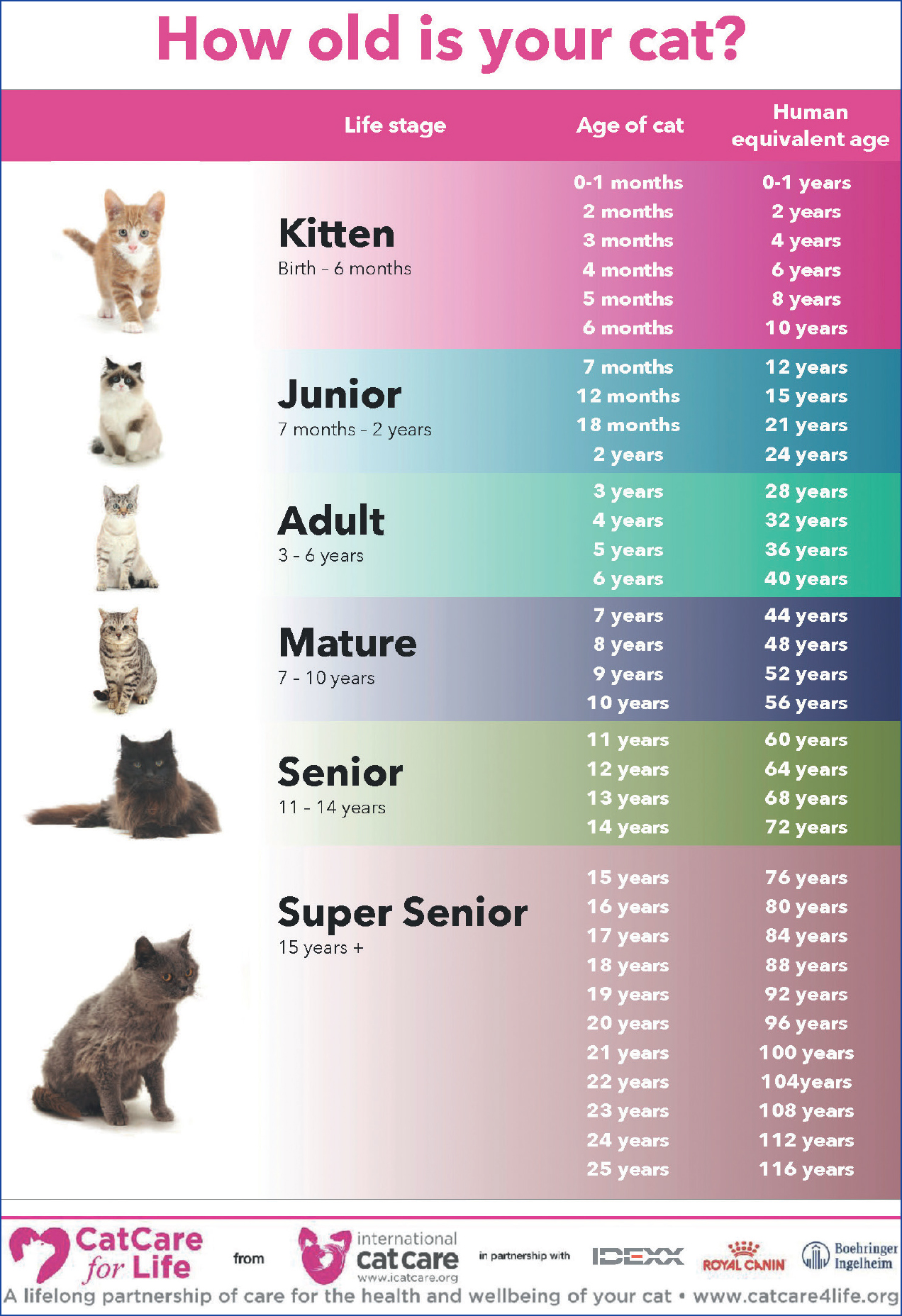
As cats age, their needs change. You might notice your older cat moves slower, eats less, or has new health issues. Their diet becomes more important than ever. Choosing the best food for older cats can help your furry friend stay healthy, active, and happy in their golden years. This guide covers what matters most, common mistakes to avoid, and the top features to look for in senior cat food.
Why Older Cats Need Special Food
As cats get older, their bodies slow down. Their metabolism drops. They often lose muscle, develop sensitive stomachs, or get dental problems. Senior cats are also at higher risk for kidney disease, arthritis, and weight changes.
Nutritional needs for older cats shift in three main ways:
- Protein: High-quality protein helps prevent muscle loss.
- Calories: Seniors may need fewer calories if they are less active, but underweight cats need more energy.
- Digestibility: Gentle, easy-to-digest ingredients reduce stomach upset.
Many people miss that texture is also important. Dry food can be hard for cats with sore teeth. Wet or soft food is often easier to eat.
Key Ingredients To Look For
When choosing food, certain ingredients make a big difference. Here are the top features to look for in senior cat food:
- Animal-based protein like chicken or fish
- Moderate fat for energy
- Added fiber for digestion
- Lower phosphorus to protect kidneys
- Antioxidants (vitamins E, C) for immune support
- Omega-3 fatty acids for joint and brain health
- Moisture (in wet food) to help hydration
Some senior foods add glucosamine and chondroitin for joint support. Others include taurine, which helps the heart and eyes.

Credit: www.rearoadanimalhospital.com
Top 6 Best Food Types For Older Cats
Not every senior cat needs the same food. The best choice depends on health, activity, and preferences. Here are the main types of food to consider:
1. High-protein Wet Food
Wet food is often easiest for older cats to eat. High-protein recipes help keep muscles strong.
Example: Chicken or turkey stew with gravy.
2. Digestive Care Formulas
Some brands offer food with added prebiotics and fiber. This helps cats with sensitive stomachs or mild constipation.
Example: Salmon And Rice In Sauce, Labeled For “digestive Health.”
3. Kidney Support Diets
If your vet says your cat has kidney problems, special foods can help. They have lower phosphorus and controlled protein.
Example: Veterinary Diets Marked For “renal Support.”
4. Limited Ingredient Diets
For cats with food allergies, simple recipes with one meat and one carb source reduce reactions.
Example: Duck and pea or rabbit and potato.
5. Dental Diets
Some dry foods are made to clean teeth and reduce tartar. These can help cats with mild dental issues, but not all seniors can chew them.
Example: Kibble With A Crunchy Texture Labeled For “oral Care.”
6. Weight Management Formulas
Older cats often gain or lose weight easily. Weight control foods have balanced calories and added fiber.
Example: Chicken and brown rice with “weight management” on the label.
Comparing Wet And Dry Food For Senior Cats
Some owners wonder if wet or dry food is better. Here is a comparison to help you decide:
| Feature | Wet Food | Dry Food |
|---|---|---|
| Moisture | High (helps hydration) | Low |
| Texture | Soft, easy to eat | Crunchy, may help teeth |
| Calories | Lower per serving | Higher per serving |
| Storage | Needs refrigeration after opening | Stores easily, lasts longer |
| Palatability | Often tastier for picky eaters | Some cats dislike dry texture |
How To Transition Your Cat To New Food
Switching to new food too quickly can upset your cat’s stomach. Follow these steps for a smooth change:
- Mix 25% new food with 75% old food for 2-3 days.
- Change to a 50/50 mix for another 2-3 days.
- Move to 75% new food and 25% old food for 2-3 more days.
- Serve 100% new food.
If your cat vomits or has diarrhea, slow down the transition. Always provide fresh water.
Common Mistakes When Feeding Older Cats
Many owners make the same errors. Here are some to avoid:
- Feeding only dry food to cats with dental pain
- Ignoring sudden weight loss or gain
- Giving treats with too much fat or salt
- Not checking for hidden ingredients, like onions, that are toxic
- Forgetting to adjust portion sizes as activity changes
A hidden insight: Some cats eat less because their sense of smell fades with age. Warming food gently can help increase aroma and appetite.

Credit: substancesalon.com
Sample Meal Plan For A Senior Cat
Here’s an example of what a healthy day could look like for an average-sized, indoor senior cat (about 4 kg):
| Meal | Food Type | Amount |
|---|---|---|
| Breakfast | High-protein wet food | 1/3 small can (40g) |
| Lunch | Senior dry food | 20g |
| Dinner | Kidney support wet food | 1/3 small can (40g) |
| Snack | Dental treat | 2-3 pieces |
Always adjust based on your cat’s health, weight, and vet advice.
Understanding Food Labels
Not all “senior” foods are created equal. Check the label for:
- Named meat as the first ingredient (e.g., “chicken” not “meat by-product”)
- Crude protein of at least 28% (dry matter)
- Crude fat between 10-18%
- Added vitamins and minerals
Ingredients are listed by weight, so what appears first is most plentiful.
Credit: www.osons-a-stmalo.com
When To See Your Vet
Any sudden changes in appetite, weight, or energy mean it’s time for a check-up. Some conditions, like kidney disease, need special diets and regular monitoring.
A surprising fact: Many older cats have hidden dental pain. If your cat paws at the mouth, drops food, or drools, ask your vet to check their teeth.
Frequently Asked Questions
What Is The Best Protein Source For Older Cats?
Animal-based protein like chicken, turkey, or fish is easiest to digest and supports muscle health. Plant protein is less ideal for cats.
How Much Should I Feed My Senior Cat Each Day?
Portion size depends on your cat’s weight, activity, and health. Most older cats need 50-70 calories per kg of body weight per day. Check with your vet for exact amounts.
Can Older Cats Eat Kitten Food?
It is not recommended. Kitten food is very high in calories and fat, which can cause weight gain or upset stomach in senior cats.
Is Grain-free Food Better For Older Cats?
Not always. Some cats do well on grains, while others have sensitivities. The most important factor is digestibility and ingredient quality.
Where Can I Find More Information About Senior Cat Nutrition?
You can read more on the Cornell Feline Health Center website for in-depth advice.
Taking care of an older cat means paying attention to what you put in their bowl. With the right food, you can help your feline friend enjoy a comfortable, healthy, and happy life for many more years.