Many dog owners want the best for their furry friends, especially when it comes to food. If you live with a small dog who spends most time indoors, choosing the right food is even more important. Indoor small dogs have special needs. They often get less exercise, need fewer calories, and are more likely to gain weight. But they still need tasty, healthy meals to stay happy and active.
With so many options in pet stores, it’s easy to feel confused. In this guide, you’ll learn what makes the best dog food for small indoor dogs, how to read dog food labels, and which brands stand out. You’ll also see tips that most new dog owners miss, so your little friend gets exactly what they need.
What Makes Food Ideal For Small Indoor Dogs
Indoor small dogs, like Chihuahuas, Shih Tzus, and Yorkies, need food made just for them. Here’s why:
- Lower calorie needs: Indoor dogs burn fewer calories.
- Small stomachs: They need concentrated nutrition in small amounts.
- Sensitive digestion: Some small breeds have sensitive stomachs.
- Dental health: Small kibble helps keep teeth clean.
If you pick the wrong food, your dog might gain extra weight or miss out on important nutrients. That’s why it’s important to know what to look for.
Ingredients That Matter
The best food uses:
- Real meat (like chicken or lamb) as the first ingredient.
- Healthy fats for skin and coat.
- Digestible grains or grain-free options (for sensitive dogs).
- Added vitamins and minerals.
Avoid foods with:
- Artificial colors or flavors.
- Lots of fillers like corn or soy.
- Unnamed “meat by-products.”
Special Formulas For Small Dogs
Dog food for small breeds is different from regular formulas. The kibble is smaller, making it easier for little mouths to chew. These foods also have the right balance of protein and fat to support energy without causing weight gain.
Top 7 Best Dog Foods For Small Indoor Dogs
Let’s look at some of the best choices. These options are trusted by vets and dog lovers around the world.
| Brand | Main Protein | Calories (per cup) | Special Feature |
|---|---|---|---|
| Royal Canin Small Indoor Adult | Chicken | 340 kcal | Helps reduce stool odor |
| Hill’s Science Diet Small Paws | Chicken | 371 kcal | Antioxidant blend |
| Wellness CORE Small Breed | Turkey | 396 kcal | Grain-free, high protein |
| Blue Buffalo Life Protection Small Breed | Chicken | 397 kcal | LifeSource Bits® for antioxidants |
| Merrick Lil’ Plates Grain-Free | Beef | 396 kcal | Probiotics for digestion |
| Nutro Ultra Small Breed | Chicken | 390 kcal | Superfood blend |
| Purina Pro Plan Small Breed | Chicken | 397 kcal | Extra protein for lean muscles |
1. Royal Canin Small Indoor Adult
Specially made for indoor dogs, this food helps control stool odor (a common problem for indoor pets). It has balanced calories and small kibble that fits tiny jaws.
2. Hill’s Science Diet Small Paws
This formula uses high-quality chicken and includes a blend of antioxidants for a strong immune system. The kibble is small and easy to chew. This brand is often recommended by vets.
3. Wellness Core Small Breed
This grain-free option uses turkey and chicken. It’s high in protein but low in carbohydrates, which helps keep indoor dogs lean. It also has probiotics for gut health.
4. Blue Buffalo Life Protection Small Breed
Made with real meat, whole grains, and a unique mix of vitamins (called LifeSource Bits®), this food supports your dog’s overall health. It’s popular for dogs with shiny coats and good energy.
5. Merrick Lil’ Plates Grain-free
With real deboned beef as the first ingredient, Merrick’s recipe includes added probiotics and prebiotics for healthy digestion. It’s a top pick for picky eaters.
6. Nutro Ultra Small Breed
Nutro Ultra offers a superfood blend (coconut, chia, kale, and more) for complete nutrition. Dogs often love the taste. It’s also made without artificial colors or preservatives.
7. Purina Pro Plan Small Breed
This food is protein-rich to help build lean muscles. It uses real chicken and includes omega fatty acids for a shiny coat. It’s easy to find in most stores.

Credit: arbetarcentrum.nu
How To Read Dog Food Labels
Dog food labels can be confusing. Here’s a quick guide to help:
| Label Term | What It Means |
|---|---|
| “Complete & Balanced” | Meets all basic nutrition needs |
| “By-products” | Leftover animal parts; quality varies |
| “Grain-free” | No wheat, corn, or soy (good for allergies) |
| “AAFCO Statement” | Meets industry standards for nutrition |
Always check the first 3 ingredients. If you see real meat first, that’s a good sign. Avoid foods with lots of fillers or unnamed meat sources.
Feeding Tips For Indoor Small Dogs
Feeding your indoor dog is not just about choosing the right food. How you feed matters too.
- Measure portions carefully. Indoor dogs gain weight easily.
- Feed on a schedule. Two or three small meals a day works best.
- Limit treats. Treats should be less than 10% of daily calories.
- Keep water fresh. Small dogs can get dehydrated quickly.
- Watch for allergies. If your dog scratches or has stomach issues, try a limited-ingredient food.
Most new owners forget to adjust food as their dog ages. Puppies, adults, and seniors have different needs. Ask your vet when to switch formulas.
Two Non-obvious Insights
- Dental chews matter: Small indoor dogs often develop dental problems. Add dental chews or toys to help keep teeth clean, since they may not chew as much as outdoor dogs.
- Monitor stool quality: Food that reduces odor and creates firm stools is important for indoor living. Softer, smelly stools can be a sign the food isn’t right.

Credit: www.thesprucepets.com
Common Mistakes To Avoid
- Feeding human food: Many people give table scraps, but indoor dogs need less fat and salt.
- Ignoring the feeding guide: Dog foods have guides for a reason. Overfeeding is easy if you guess.
- Not watching weight: Small weight changes are hard to see but can hurt health.
- Skipping vet checkups: Regular checkups help spot problems early.
If you want more tips about pet nutrition, visit the ASPCA’s official site.
Frequently Asked Questions
What Is The Best Protein Source For Small Indoor Dogs?
Chicken, turkey, and beef are great protein sources. Look for food with real meat as the first ingredient. Fish is also good for dogs with allergies.
How Much Should I Feed My Small Indoor Dog?
Check the feeding guide on the food bag. Most small dogs need about ½ to 1 cup of dry food daily, split into two meals. Adjust if your dog gains or loses weight.
Is Grain-free Food Better For Indoor Dogs?
Not always. Only pick grain-free if your dog has allergies. Some grains like rice and oats are easy to digest and add nutrients.
Can I Feed My Small Dog Wet Food?
Yes, but wet food can spoil quickly. It’s best to mix wet and dry food or use wet food as a treat. Dry food helps keep teeth clean.
What If My Dog Is A Picky Eater?
Try different proteins or add a spoonful of wet food to dry kibble. Some dogs prefer warmed food. Always switch foods slowly to avoid stomach upset.
Choosing the best dog food for your small indoor dog takes time, but it’s worth it. The right food supports health, energy, and a long, happy life. Watch your dog’s weight, check ingredients, and talk to your vet if you’re unsure.
A little care every day makes a big difference for your small best friend.

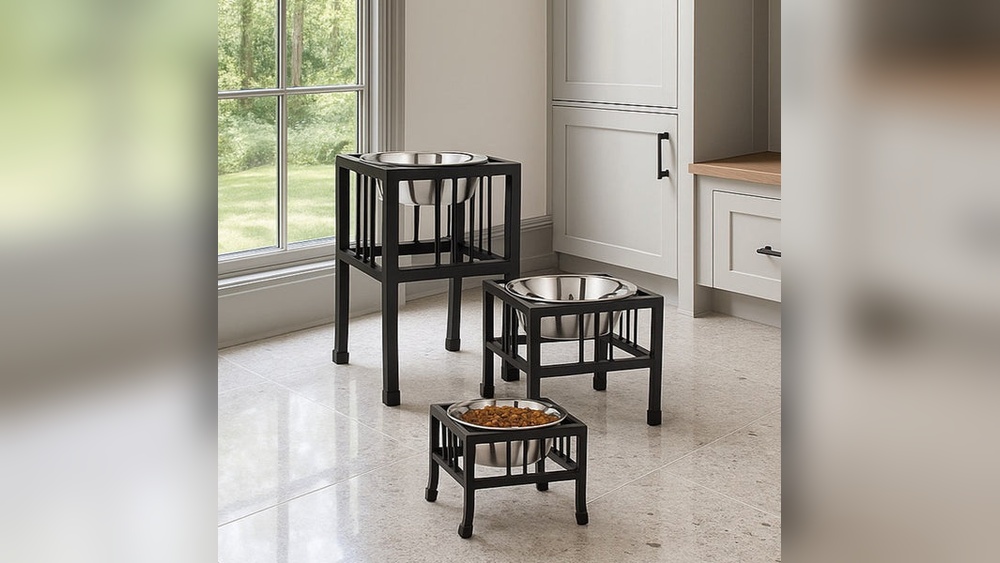
Credit: nmndesigns.com