Are you wondering how much food your cat really needs each day? Feeding your cat the right amount is key to keeping them healthy and happy.
Too much food can lead to weight gain and health problems, while too little can leave them hungry and weak. You’ll discover simple tips and clear guidelines to help you find the perfect daily feeding amount for your furry friend.
Keep reading to make sure your cat gets just what they need—no more, no less.
Credit: www.decielospa.com
Daily Calorie Needs
Daily calorie needs show how much energy a cat requires each day. These calories come from the food your cat eats. Meeting these needs helps keep your cat healthy and active. Too many or too few calories can cause weight problems or illness. Understanding your cat’s daily calorie needs is key to good care.
Factors Affecting Calorie Requirements
Several things change how many calories a cat needs. Activity level is one. More active cats burn more energy. Size also matters. Bigger cats need more calories. Health conditions can raise or lower calorie needs. Neutered cats often need fewer calories. The cat’s metabolism also plays a role.
Calories For Indoor Vs Outdoor Cats
Indoor cats usually need fewer calories. They move less and burn less energy. Outdoor cats are more active and need more calories. They explore and hunt, using more energy. Feeding each type the right amount helps keep their weight steady. Overfeeding indoor cats can cause obesity.
Adjusting Calories For Age And Weight
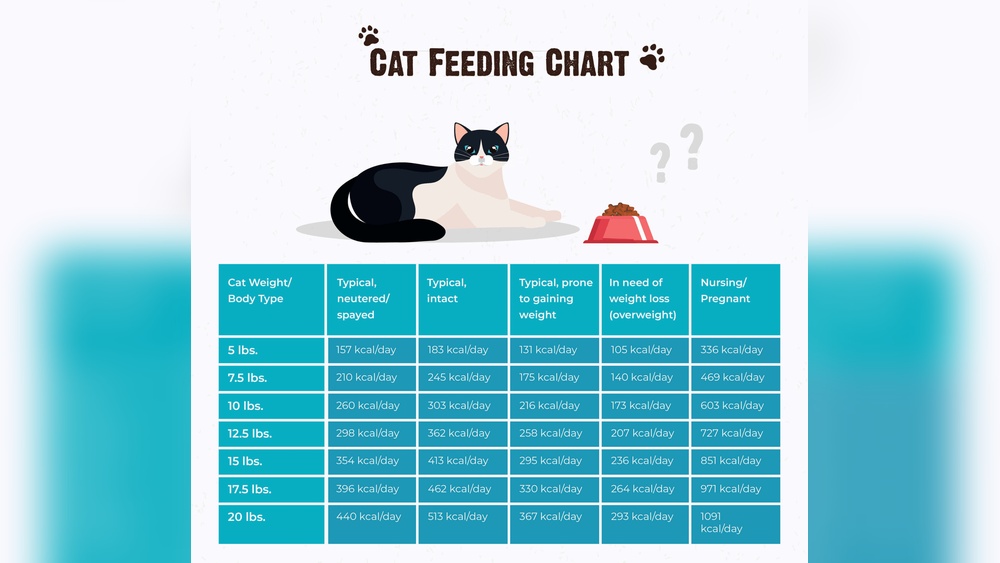
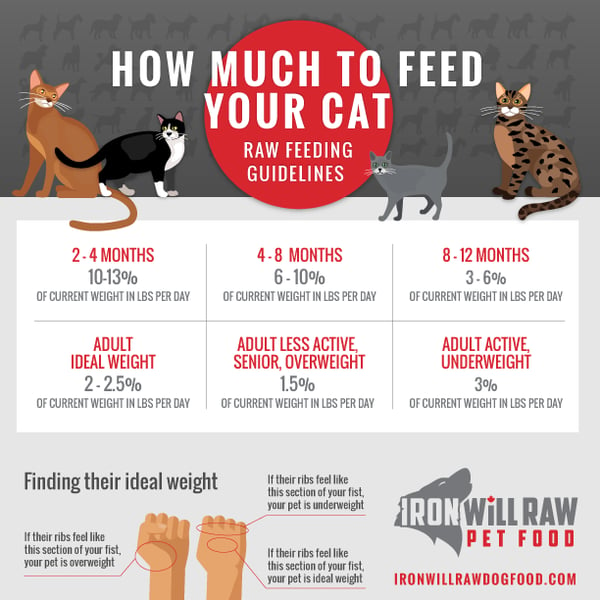
Kittens need more calories for growth. Older cats need fewer calories because they move less. Overweight cats require fewer calories to lose weight. Underweight cats need more calories to gain weight. Regular weight checks help adjust food amounts. Always change calories slowly to avoid health issues.

Credit: www.decielospa.com
Portion Size Guidelines
Portion size guidelines help ensure your cat gets the right amount of food daily. Proper portions support healthy weight and energy levels. Overfeeding or underfeeding can cause health problems. Each cat’s needs vary based on age, weight, and activity. Understanding how to measure food portions is key to good feeding habits.
Measuring Dry Food Portions
Use a measuring cup to portion dry cat food. Most pet food bags list daily feeding amounts by weight. Check your cat’s ideal weight and adjust portions accordingly. Pour food into the cup, level it off for accuracy. Avoid guessing amounts; too much dry food can lead to weight gain.
Measuring Wet Food Portions
Wet food usually comes in cans or pouches with labels showing serving sizes. Use a kitchen scale or measuring spoon to portion wet food. Cats often need smaller portions of wet food due to water content. Feeding the right amount prevents leftovers and spoilage. Follow package guidelines and adjust based on your cat’s needs.
Combining Wet And Dry Food
Many cat owners mix wet and dry food for variety and nutrition. Calculate total daily calories by adding wet and dry portions. Balance both types to avoid overfeeding. For example, reduce dry food if you add wet food servings. Keep track of combined amounts to maintain your cat’s healthy weight.
Feeding Frequency
Feeding frequency means how often you give food to your cat each day. It affects their health, energy, and digestion. Cats have different needs at different life stages. Knowing the right feeding times helps keep your cat happy and healthy.
Kittens Vs Adult Cats
Kittens need to eat more often than adult cats. Their small stomachs hold little food at once. Feeding kittens four to six small meals daily is best. Adult cats do well with two to three meals a day. This helps control their weight and digestion.
Benefits Of Multiple Small Meals
Giving several small meals a day mimics a cat’s natural hunting pattern. It keeps their energy steady and reduces hunger. Small meals help avoid overeating and stomach problems. Cats feel more satisfied and less stressed with frequent feeding.
Free Feeding Vs Scheduled Feeding
Free feeding means leaving food out all day. Cats eat whenever they want. This can lead to overeating and weight gain. Scheduled feeding gives food at set times. It helps control portions and keeps cats active. Scheduled feeding is better for weight management and routine.
:strip_icc()/how-much-canned-food-to-feed-554404-Final-4e9268619c4847eaac29498a6a17d88c.png)
Credit: www.eecusa.com
Special Dietary Needs
Cats have different dietary needs depending on their life stage and health. Some cats need special food to stay healthy and happy. Feeding the right amount and type of food is important for their well-being. This section explains how to feed cats with special dietary needs.
Feeding Overweight Cats
Overweight cats need fewer calories to lose weight safely. Choose food with lower fat and fewer calories. Feed smaller portions and avoid free feeding. Measure meals carefully and keep a regular feeding schedule. Exercise helps burn calories and keeps cats active.
Nutrition For Pregnant And Nursing Cats
Pregnant and nursing cats need extra nutrients and energy. Feed a high-quality diet rich in protein and fat. Provide food more often to meet their energy needs. Fresh water should always be available. Proper nutrition supports healthy kittens and mother cats.
Diet For Cats With Health Issues
Cats with health problems need special diets to manage conditions. Kidney disease, diabetes, and allergies require specific nutrients. Consult a vet to choose the right food. Avoid giving treats or table scraps that may harm them. Regular check-ups help adjust their diet as needed.
Signs Of Overfeeding And Underfeeding
Knowing the signs of overfeeding and underfeeding helps keep cats healthy. Feeding too much or too little can cause serious problems. Watch your cat closely for any changes in weight or behavior. Early detection prevents health risks.
Recognizing Weight Gain And Loss
Weight gain is a common sign of overfeeding. Your cat may look rounder or feel heavier. Excess weight can lead to diabetes and joint issues. On the other hand, weight loss shows underfeeding or illness. Cats losing weight quickly need attention. Regularly check your cat’s body. You should see ribs but not bones. Weight changes over a few weeks matter most.
Behavioral Changes Related To Feeding
Overfed cats might become lazy or less active. They may also beg for food often. Underfed cats act restless or search for food. Some cats meow more when hungry. Changes in eating habits are warning signs. Pay attention if your cat refuses food or eats too fast.
When To Consult A Veterinarian
Seek a vet if you notice sudden weight shifts. Also, consult if your cat shows unusual behavior. Loss of appetite or constant hunger needs checking. Your vet can find the cause and give advice. Early care improves your cat’s chances of recovery.
Tips For Successful Feeding
Feeding your cat well is important for its health and happiness. Successful feeding means giving the right amount of food and the best type. Pay close attention to how much and when your cat eats. This helps keep your cat healthy and active every day.
Choosing The Right Cat Food
Select cat food that fits your cat’s age, size, and health needs. Look for foods with good protein and nutrients. Avoid foods with too many fillers or artificial ingredients. High-quality food helps your cat stay strong and energetic.
Maintaining Consistent Feeding Times
Feed your cat at the same times each day. Cats like routine and feel safer with regular meals. Consistency helps control their hunger and prevents overeating. Two or three meals a day work well for most cats.
Monitoring Your Cat’s Eating Habits
Watch how much your cat eats daily. Changes in appetite can signal health problems. Note if your cat eats too fast or leaves food behind. Adjust the amount of food if your cat gains or loses weight.
Frequently Asked Questions
How Much Food Does A Cat Need Daily?
A cat usually needs about 20 calories per pound of body weight each day. This amount varies by age, activity, and health. Feeding the right portion keeps your cat healthy.
Can Feeding Too Much Food Harm My Cat?
Yes, overfeeding can cause obesity and health problems in cats. It can lead to diabetes and joint pain. Controlling portions helps avoid these risks.
How Often Should I Feed My Cat Each Day?
Most adult cats do well with two meals per day. Kittens may need three to four smaller meals. Regular feeding times help maintain good digestion.
Does A Cat’s Age Affect Daily Food Amount?
Yes, kittens and young cats need more calories than older cats. Senior cats often need fewer calories to avoid weight gain. Adjust food amounts as your cat ages.
Should I Change Food Amount If My Cat Is Active?
Active cats burn more calories and may need extra food. Less active cats need fewer calories to stay fit. Watch your cat’s weight and adjust food as needed.
Conclusion
Feeding your cat the right amount keeps it healthy and happy. Watch your cat’s weight and energy to adjust food portions. Quality food and fresh water matter too. Every cat is unique, so observe what suits yours best. Small changes can improve your cat’s life a lot.
Stay patient and consistent with feeding routines. Your cat will thank you with purrs and love.