If your dog is dealing with diarrhea, you know how stressful it can be—for both of you. You want to help your furry friend feel better fast, but figuring out what to do isn’t always easy.
What causes it? When should you worry? And how can you treat it safely at home? This guide will walk you through simple, effective steps to soothe your dog’s upset stomach and get them back to their happy, playful self.
Keep reading to discover the answers you need and take control of your dog’s health today.
Causes Of Dog Diarrhea
Dog diarrhea is a common problem that many pet owners face. It can happen for many reasons. Understanding the causes helps in treating it quickly and correctly. Some causes are simple and easy to fix. Others need more care and attention.
Dietary Indiscretion
Dogs often eat things they should not. This includes garbage, spoiled food, or plants. Eating unusual food can upset their stomach. It causes diarrhea as the digestive system reacts to the change. Sudden diet changes can also trigger loose stools.
Infections And Parasites
Many infections cause diarrhea in dogs. Bacteria, viruses, and parasites attack the gut. Parasites like worms or giardia are common culprits. These infections irritate the intestines and cause loose or watery stools. Regular vet check-ups help detect these problems early.
Stress And Anxiety
Dogs feel stress just like humans. Changes in their environment or routine can upset them. Stress may lead to digestive issues, including diarrhea. Moving to a new home, loud noises, or separation can cause anxiety. A calm, stable environment helps reduce this cause.
Underlying Health Issues
Some health problems cause chronic diarrhea. Conditions like inflammatory bowel disease or pancreatitis affect digestion. Organ problems like liver or kidney disease also play a role. These require veterinary diagnosis and treatment. Persistent diarrhea should never be ignored.
Credit: pethelpful.com
When To Seek Veterinary Care
Knowing when to seek veterinary care for your dog’s diarrhea is important. Some cases need quick medical attention to prevent serious problems. Watch your dog closely and act fast if signs worsen or do not improve.
Signs Of Severe Dehydration
Diarrhea can cause your dog to lose too much water. Check for dry gums, sunken eyes, and weak pulse. If your dog is very tired or not drinking water, this is a red flag. Dehydration can become life-threatening without care.
Persistent Or Bloody Diarrhea
Diarrhea lasting more than two days needs a vet’s checkup. Blood in stool shows possible infection or injury inside the intestines. Both signs mean your dog’s health is at risk. Do not wait to get professional help.
Age And Health Considerations
Young puppies, older dogs, or pets with other illnesses need extra care. Their bodies cannot handle diarrhea as well as healthy adults. Quick veterinary care can prevent serious complications. Always be cautious with vulnerable dogs.
Diet Adjustments To Soothe Stomach
Changing your dog’s diet can help calm their upset stomach. Simple food changes give their digestive system a break. This helps stop diarrhea faster. Careful feeding can protect your dog’s health and comfort.
Start with gentle steps. Avoid rich or spicy foods. Give your dog time to heal inside.
Fasting Periods
Short fasting helps reset the stomach. Skip food for 12 to 24 hours. Water must always be available to prevent dehydration. Fasting lets the gut rest and reduces irritation. Check with your vet before fasting puppies or small dogs.
Bland Diet Options
Feed plain, easy-to-digest foods after fasting. Boiled chicken without skin is a good choice. Mix with white rice or plain pumpkin for fiber. Avoid oils, spices, and heavy sauces. Small, frequent meals work best. This diet soothes the stomach and eases diarrhea.
Gradual Food Reintroduction
Bring back regular food slowly. Add normal food in small amounts over days. Watch for signs of stomach upset. Increase food variety carefully to avoid relapses. A slow return helps the gut adjust safely. Patience supports full recovery.

Credit: www.dangerfieldsofshakopee.com
Effective Home Remedies
Dealing with dog diarrhea can be stressful. Home remedies offer gentle and natural ways to help your pet recover. These methods support your dog’s digestive system and ease discomfort. Careful use of simple ingredients can make a big difference.
Pumpkin And Fiber Supplements
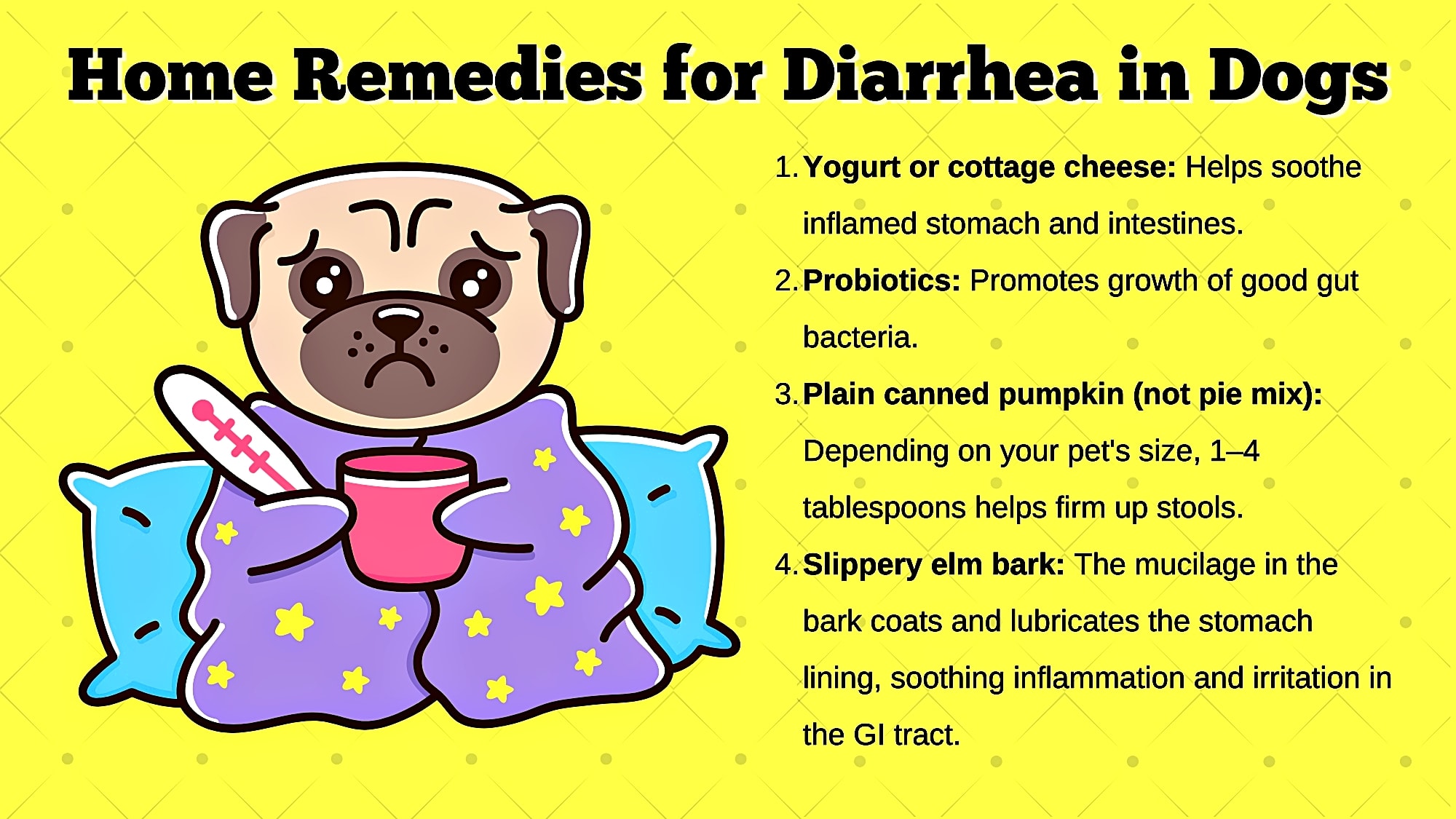
Pumpkin is a great source of fiber. It helps to firm up your dog’s stool naturally. Add a small spoon of plain canned pumpkin to their food. Avoid pumpkin pie filling with sugar or spices. Fiber supplements can also improve digestion and regulate bowel movements.
Probiotics For Gut Health
Probiotics support healthy bacteria in your dog’s gut. They help balance the digestive system and reduce diarrhea. Use probiotic supplements made for dogs. Yogurt with live cultures can work but choose plain and unsweetened versions. Probiotics may improve gut health within a few days.
Hydration Tips
Diarrhea causes fluid loss. Keep your dog hydrated with fresh water at all times. Offer small amounts of water frequently. You can also give an electrolyte solution made for pets. Avoid sugary or caffeinated drinks. Proper hydration helps prevent dehydration and aids recovery.
Natural Anti-inflammatory Ingredients
Some natural ingredients reduce gut inflammation. Ginger and turmeric have anti-inflammatory properties. Use small amounts mixed into your dog’s food. These can soothe the digestive tract and reduce irritation. Always check with your vet before adding new ingredients.
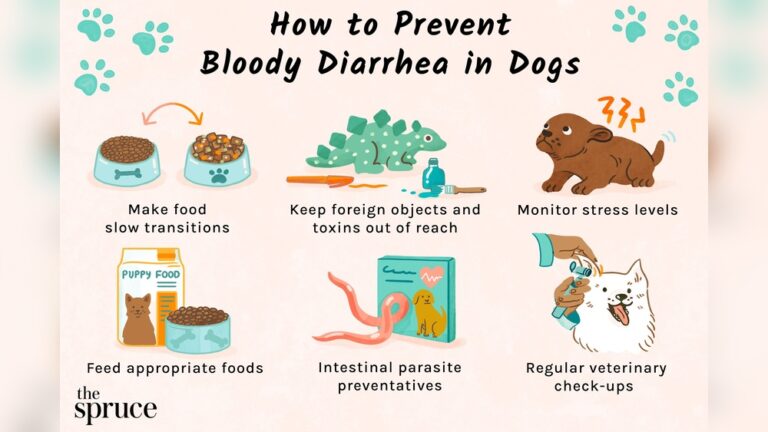
Preventing Future Episodes
Preventing future episodes of dog diarrhea is key to keeping your pet healthy. Consistent care helps avoid discomfort and costly vet visits. Simple habits can reduce risks and strengthen your dog’s digestion.
Safe Feeding Practices
Feed your dog balanced, high-quality food. Avoid sudden changes in diet. Introduce new foods slowly over a week. Keep human food and trash out of reach. Ensure clean water is always available. These steps protect your dog’s stomach from upset.
Regular Parasite Control
Parasites often cause diarrhea in dogs. Use vet-recommended parasite preventives regularly. Check your dog for signs of worms or fleas. Maintain a clean living environment. Regular vet visits help detect problems early. Consistent parasite control keeps your dog healthy.
Stress Reduction Techniques
Stress can upset your dog’s digestion. Provide a calm, safe space at home. Keep a regular routine for walks and meals. Use gentle play and positive attention. Avoid loud noises and sudden changes. Reducing stress supports your dog’s overall health.
Monitoring And Tracking Recovery
Monitoring and tracking your dog’s recovery from diarrhea is very important. It helps you understand if the condition is improving or getting worse. Careful observation can guide you on when to seek veterinary help. Keeping track also helps you spot patterns that may cause recurring issues.
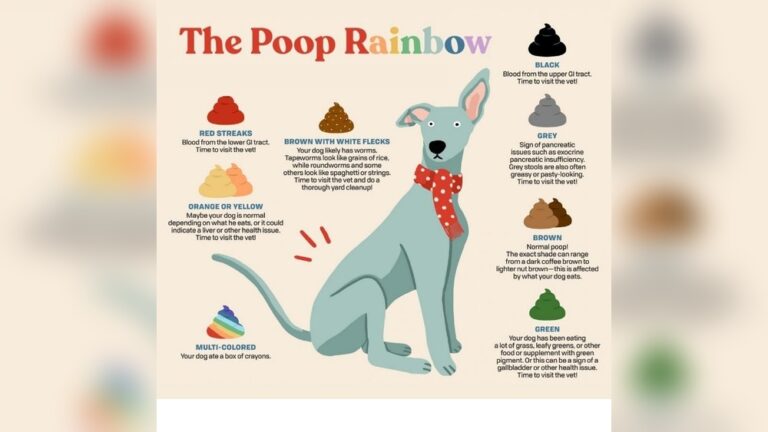
Observing Stool Changes
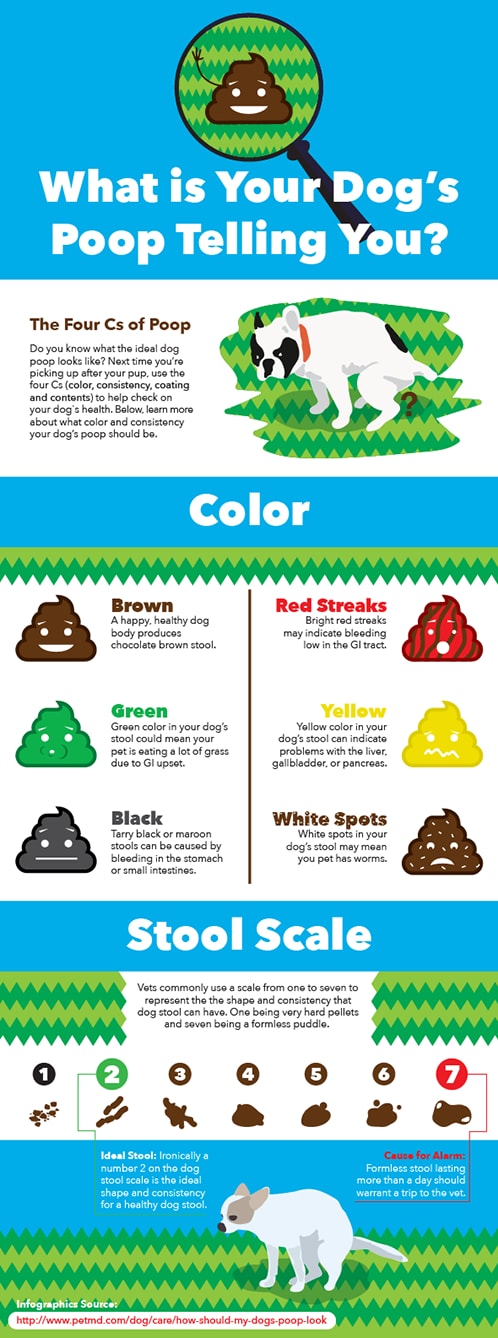
Watch your dog’s stool closely each day. Note changes in color, consistency, and frequency. Healthy stool is usually firm and brown. Loose, watery, or very dark stools need attention. Look for signs of blood or mucus in the stool. These can signal serious problems. Tracking these changes helps you see if treatments work.
Keeping A Symptom Diary
Write down all symptoms your dog shows. Include vomiting, lethargy, appetite loss, and behavior changes. Record the time and date of each symptom. Note the foods and medications given. This diary helps you and your vet understand recovery progress. It also aids in identifying triggers or patterns in symptoms.
Credit: www.dangerfieldsofshakopee.com
Frequently Asked Questions
What Are Common Causes Of Dog Diarrhea?
Dog diarrhea often happens due to diet changes, infections, or stress. Parasites and allergies can also cause loose stools. Identifying the cause helps in choosing the right treatment.
How Long Does Dog Diarrhea Usually Last?
Mild diarrhea in dogs usually lasts 1 to 3 days. If it continues beyond this, a vet check is needed. Persistent diarrhea can signal a serious problem.
Can Home Remedies Help Cure Dog Diarrhea?
Yes, simple home remedies like fasting for 12 hours can help. Offering bland foods like boiled chicken and rice soothes the stomach. Always ensure your dog drinks plenty of water.
When Should I Take My Dog To The Vet?
Visit the vet if diarrhea lasts more than 3 days or if your dog is very weak. Blood, vomiting, or dehydration are urgent signs. Early treatment prevents complications.
What Foods Are Best For A Dog With Diarrhea?
Bland, easy-to-digest foods work best, such as boiled chicken and white rice. Avoid fatty, spicy, or dairy foods during recovery. Gradually return to normal diet after symptoms improve.
Conclusion
Caring for a dog with diarrhea takes patience and attention. Keep their diet simple and clean. Offer plenty of fresh water to prevent dehydration. Watch for any changes in behavior or symptoms. Seek vet help if diarrhea lasts more than two days.
Early care helps your dog feel better fast. Stay calm and consistent with treatment. Your dog will thank you with a happy, healthy tail wag.