
Are you unsure about how much dry food your cat should eat each day? Feeding your cat the right amount is key to keeping them healthy and happy.
Too little food can leave them hungry and weak, while too much can lead to weight problems. You’ll discover simple guidelines to help you find the perfect daily portion for your furry friend. Keep reading to learn how to make sure your cat gets just the right amount of nutrition every day.
Daily Calorie Needs
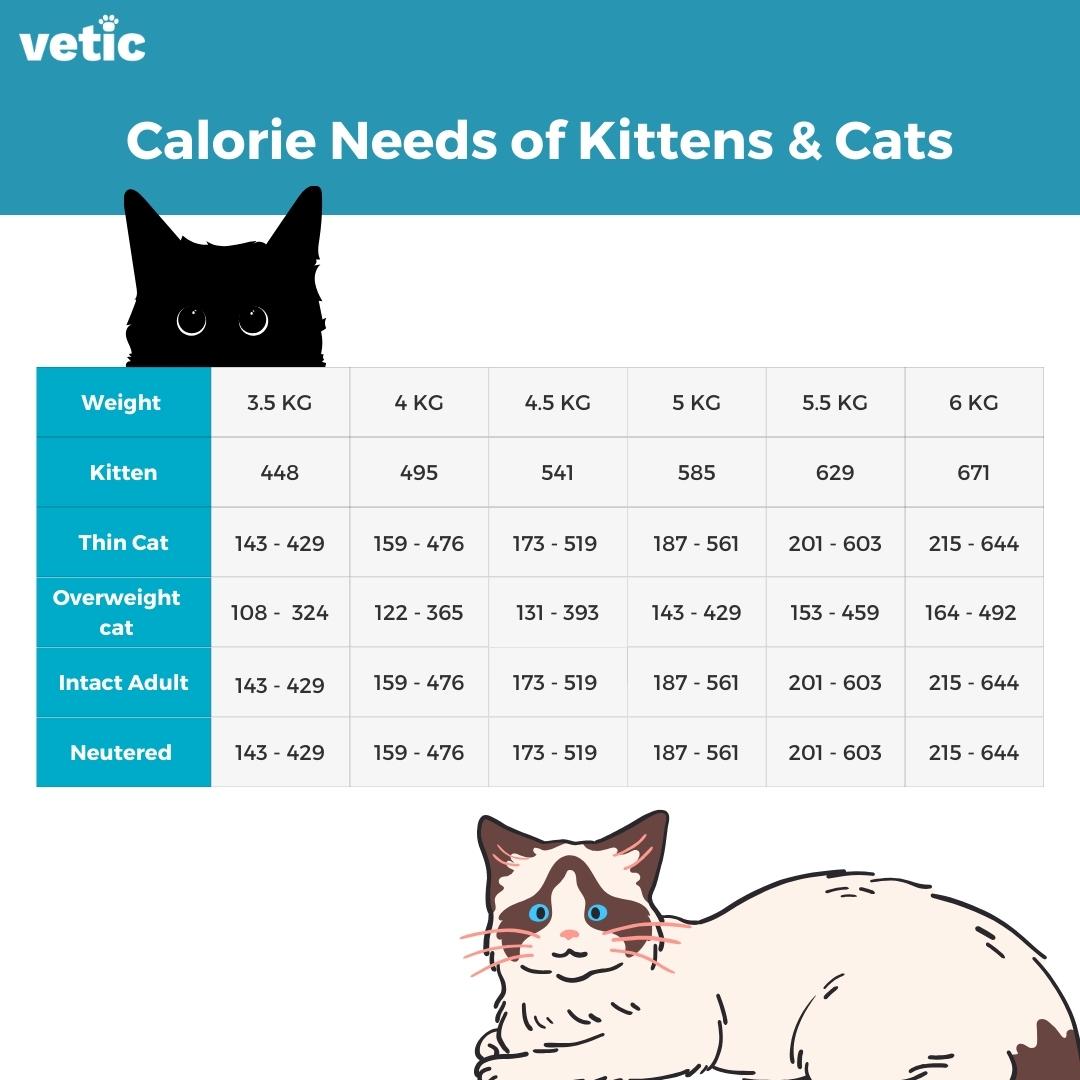
Cats need a certain number of calories each day to stay healthy. Calories give them energy for playing, jumping, and resting. Giving too many calories can cause weight gain. Too few calories can make your cat weak and tired. Knowing your cat’s daily calorie needs helps you feed the right amount of dry food.
Calorie needs vary from cat to cat. Several factors change how many calories your cat needs daily. Understanding these factors helps you choose the right portion size.
Factors Affecting Calorie Requirements
Activity level changes calorie needs. Active cats burn more calories. Indoor cats usually need fewer calories than outdoor cats. Spayed or neutered cats often need fewer calories. Age affects calorie needs as well. Health problems can also increase or lower calorie needs.
Body size matters too. Larger cats need more calories. Smaller cats need fewer calories to stay healthy. Weather can play a small role, with colder months increasing calorie needs slightly.
Calorie Needs By Age And Weight
Kittens need more calories for growth. They may require two to three times the calories of adult cats. Adult cats need fewer calories than kittens but more than seniors. Senior cats need fewer calories because they move less.
Weight is important. A healthy adult cat weighing 10 pounds needs about 200 calories daily. Overweight cats should eat fewer calories to lose weight safely. Underweight cats need more calories to gain weight.
Check your cat’s weight regularly. Adjust food portions based on changes in weight or activity. This helps maintain a healthy weight and keeps your cat happy.
Measuring Dry Food Portions
Measuring dry food portions for your cat is key to their health. Giving the right amount keeps your cat at a good weight and prevents overeating. It also helps manage their energy and keeps them active. Knowing how to measure food correctly is a simple step that makes a big difference.
Reading Cat Food Labels
Cat food labels provide important feeding information. They usually show daily feeding amounts based on your cat’s weight. Look for the recommended portion size in grams or cups. Some labels also mention calorie content per serving. Use this information as a guide to avoid overfeeding or underfeeding. Remember, each cat has different needs depending on age and activity.
Using Measuring Tools
Using proper tools helps measure dry food accurately. A standard measuring cup works well for most cat foods. Kitchen scales offer even more precise measurements in grams. Avoid guessing or using large scoops from the bag. Consistency matters. Measuring tools ensure your cat gets the exact amount needed every day. This habit supports good digestion and overall health.
Adjusting Portions For Activity
Adjusting your cat’s dry food portions based on activity helps keep them healthy. Cats with different energy levels need different amounts of food. Feeding the right portion supports their weight and overall well-being. Watch your cat’s behavior and adjust food amounts as needed.
Active Vs Sedentary Cats
Active cats burn more calories and need more food. They play, run, and explore often. These cats require larger portions of dry food. Sedentary cats move less and use fewer calories. Feeding them too much leads to weight gain. Measure food portions carefully to match activity level.
Seasonal Changes In Appetite
Seasonal shifts affect your cat’s appetite and activity. Cats tend to be more active in cooler months. They may need extra food during this time. Warmer months can slow them down and reduce hunger. Adjust food portions to match these natural changes. Observe your cat’s eating habits closely.

Credit: www.icecreamfactoryny.com
Special Considerations
Every cat has unique food needs. Age, health, and growth stage change how much dry food a cat needs daily. Understanding these special cases helps keep your cat healthy and happy.
Kittens And Growth Stages
Kittens need more calories than adult cats. Their bodies grow fast and use energy quickly. Feed small amounts often throughout the day. Choose dry food made for kittens. It has extra nutrients for strong bones and muscles.
As kittens grow, adjust food portions slowly. Avoid overfeeding to prevent weight problems. Monitor their weight and energy. Healthy growth means enough but not too much food.
Senior Cats’ Dietary Needs
Older cats need fewer calories. Their metabolism slows down with age. Feed smaller portions to avoid weight gain. Senior cat food has nutrients for joint health. It supports their immune system too.
Watch for changes in appetite or weight. Older cats might need softer food. Make sure dry food is easy to chew if teeth are weak.
Cats With Health Issues
Some cats have special health needs. Conditions like diabetes or kidney disease affect food choices. Talk to a vet about the right dry food type. Some medical diets help manage these problems.
Measure food carefully for cats with health issues. Avoid free feeding to control intake. Always follow vet advice to keep your cat safe.
Balancing Dry Food With Wet Food
Balancing dry food with wet food can improve a cat’s diet. Each type has unique benefits that support overall health. Mixing dry and wet food provides variety and helps meet nutritional needs. It also helps keep cats interested in their meals.
Knowing how to combine these foods helps avoid overfeeding. Proper balance keeps your cat at a healthy weight. It also supports hydration and dental health.
Benefits Of Mixed Feeding
Mixed feeding offers many health benefits. Wet food adds moisture, which helps prevent urinary problems. Dry food supports teeth by reducing plaque buildup. Together, they provide a balanced diet with protein, vitamins, and minerals. Cats also enjoy different textures, which can reduce picky eating. This combination keeps cats happy and healthy.
Proper Portioning Techniques
Portion control is important for mixed feeding. Measure dry food carefully to avoid excess calories. Follow feeding guidelines on packaging or consult a vet. Wet food should be given in small, frequent meals. Divide the daily amount into two or three servings. Observe your cat’s weight and adjust portions as needed. This prevents obesity and keeps your cat active.
Credit: everestkitchennc.com
Avoiding Overfeeding
Feeding your cat the right amount of dry food is important. Avoiding overfeeding helps keep your cat healthy and active. Overfeeding can lead to many health problems. Watch your cat’s food intake carefully. This helps you control their weight and energy.
Signs Of Overfeeding
Your cat may show signs of eating too much. Look for weight gain over a short time. A round belly or difficulty moving can be signs. Your cat may beg for food more often. They might also leave food uneaten if full. Notice changes in behavior or energy levels too.
Risks Of Obesity In Cats
Obesity can cause serious health issues in cats. It increases the risk of diabetes and joint problems. Overweight cats may have trouble breathing or moving. Their life span can be shorter than normal. Keeping your cat at a healthy weight is key. Proper feeding and exercise prevent these risks.
Feeding Schedule Tips
Setting a feeding schedule for your cat helps control how much dry food they eat daily. A good schedule keeps your cat healthy and happy. It also prevents overeating and weight problems.
Choosing the right feeding method fits your cat’s needs and your routine. Consistency is key to helping your cat feel secure and satisfied.
Free Feeding Vs Scheduled Meals
Free feeding means leaving dry food out all day. Your cat eats whenever it wants. This works for some cats but can cause overeating in others.
Scheduled meals mean offering food at set times each day. This controls portion sizes and helps with weight management. Most vets suggest scheduled meals for better health.
Creating A Consistent Routine
Pick specific times for feeding your cat every day. Cats like routine and feel safe with regular meal times. Consistency helps avoid begging and food anxiety.
Measure the food for each meal to avoid overfeeding. Use the feeding guidelines on the dry food package as a start. Adjust amounts based on your cat’s age, weight, and activity.
Keep the feeding area clean and quiet. This makes mealtime pleasant and stress-free. Your cat will look forward to meal times.
Monitoring Your Cat’s Weight
Monitoring your cat’s weight helps keep your pet healthy and happy. Weight changes can show if your cat eats the right amount of dry food daily. Regular checks help catch problems early. You can adjust food portions to keep your cat fit and active. Watching weight also prevents obesity and related diseases.
Regular Weight Checks
Weigh your cat once a week. Use the same scale each time for accuracy. Note the weight and compare it over weeks. Small changes can mean a big health issue. Keep a record to track trends. Regular checks help you spot if your cat gains or loses weight too fast.
When To Consult A Vet
Visit a vet if your cat loses or gains weight suddenly. Sudden weight change can signal illness. Your vet can check for health problems. They can also advise on food portions and diet. Never ignore weight changes. Early advice helps keep your cat well.

Credit: www.icecreamfactoryny.com
Frequently Asked Questions
How Much Dry Food Should A Cat Eat Daily?
A cat typically needs 20 to 30 grams of dry food per pound daily. This varies by age, weight, and activity. Always check the packaging and consult your vet for personalized advice.
Can Overfeeding Dry Food Harm Cats?
Yes, overfeeding can cause obesity and health issues. Monitor portions carefully and avoid free-feeding. Balanced nutrition and regular vet checkups help maintain a healthy weight.
Does A Cat’s Age Affect Dry Food Quantity?
Yes, kittens need more calories per pound than adult cats. Senior cats might require fewer calories. Adjust portions based on life stage and activity level for optimal health.
How To Measure The Right Dry Food Amount?
Use a kitchen scale or measuring cup for accuracy. Follow feeding guidelines on packaging. Split daily portions into two or more meals to maintain digestion and energy.
Conclusion
Feeding your cat the right amount of dry food helps keep it healthy. Watch your cat’s weight and energy daily. Adjust food portions as needed to avoid overeating. Fresh water must always be available alongside dry food. Consult a vet for personalized feeding advice.
Remember, every cat is unique and needs different amounts. Balanced feeding supports a happy, active cat life. Simple steps make a big difference in your cat’s health.