If your dog has diarrhea with blood, you’re probably worried and unsure what to do next. Seeing blood in your dog’s stool is alarming and can make any pet owner feel scared.
But understanding why this happens and what steps you should take can make a huge difference. You’ll learn what causes dog diarrhea with blood, when it’s an emergency, and how you can help your furry friend feel better fast. Keep reading to protect your dog’s health and bring back their happy, wagging tail.
Common Causes Of Bloody Diarrhea
Bloody diarrhea in dogs is a serious symptom that needs attention. It can signal many health problems. Understanding the common causes helps pet owners act quickly and seek help. This section explains the main reasons dogs may have bloody diarrhea.
Infections And Parasites
Bacteria, viruses, and parasites often cause bloody diarrhea. Common culprits include Salmonella, E. coli, and parvovirus. Parasites like hookworms and giardia can damage the intestines. These infections irritate the gut lining, leading to bleeding and loose stools.
Dietary Issues
Sudden diet changes can upset a dog’s stomach. Eating spoiled food or garbage also causes problems. Food allergies or intolerances might trigger inflammation. These issues can cause bloody diarrhea if the gut becomes inflamed or damaged.
Inflammatory Conditions
Chronic inflammation in the intestines can cause bleeding. Conditions like inflammatory bowel disease (IBD) lead to ongoing gut irritation. This inflammation causes frequent bloody diarrhea and discomfort for the dog.
Toxins And Poisons
Ingesting harmful substances can injure the digestive tract. Chemicals, plants, or toxic foods may cause bleeding. These poisons irritate or burn the intestines, resulting in bloody diarrhea and pain.
Trauma And Injuries
Physical injuries to the stomach or intestines can cause bleeding. Swallowing sharp objects or accidents can damage the digestive lining. This trauma may lead to bloody diarrhea and requires prompt care.
Symptoms To Watch For
Spotting the signs of blood in your dog’s diarrhea is important. It shows that your dog might have a health issue. Knowing the symptoms helps you act fast and seek help. Watch your dog closely for changes in stool, behavior, and other physical signs.
Changes In Stool Appearance
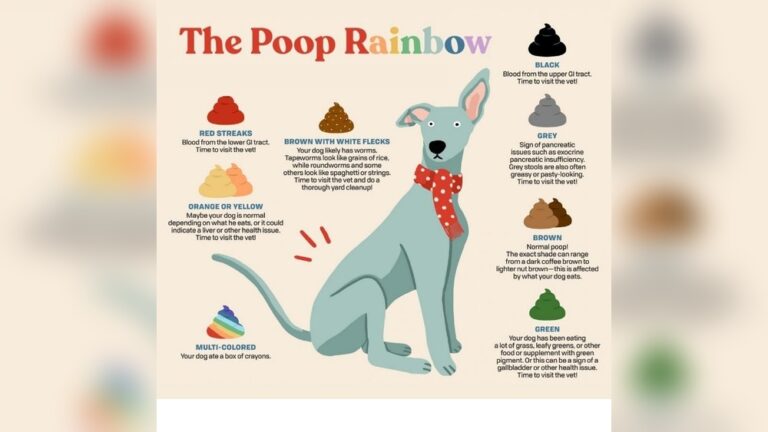
Look for blood in your dog’s stool. It may be bright red or dark and tarry. Notice if the stool is watery or very loose. A mix of mucus and blood can appear. The color and texture change can show how serious the problem is.
Behavioral Signs
Your dog may seem tired or weak. They might refuse to eat or drink. Watch for signs of pain, like whining or restlessness. Dogs may also lick their rear more than usual. Sudden changes in behavior often mean discomfort or illness.
Additional Physical Symptoms
Check for vomiting along with diarrhea. Your dog’s belly might look swollen or feel hard. Pale gums can signal low blood count. Rapid breathing or a fast heartbeat can occur. These signs mean your dog needs a vet quickly.
When To Seek Immediate Help
Noticing blood in your dog’s diarrhea can be scary. It is important to know when to get help right away. Some signs show the problem is serious. Acting fast can protect your dog’s health and life.
Severity And Frequency Of Bleeding
Bright red blood means fresh bleeding. Dark or black blood shows old bleeding inside. If bleeding happens often or is heavy, seek help immediately. Small amounts once may not need urgent care. But repeated or large bleeding is a warning.
Signs Of Dehydration
Diarrhea with blood can cause quick dehydration. Look for dry gums and sunken eyes. Your dog may drink less or stop drinking. Skin may not bounce back when pinched. Dehydration needs urgent veterinary care to avoid danger.
Lethargy And Weakness
Blood in stool can make your dog weak. If your dog is very tired or does not want to move, get help now. Weakness and lack of energy show the body struggles. Do not wait, these signs need quick attention.
Home Care And First Aid
Dog diarrhea with blood can be alarming. You may not always need a vet visit immediately. Some cases can improve with home care and first aid. Early steps can ease your dog’s discomfort. Careful attention helps prevent complications. Act quickly and calmly to support your dog’s health.
Dietary Adjustments
Start with a bland diet. Plain boiled chicken and rice work well. Avoid fatty or spicy foods. Feed small, frequent meals instead of large ones. Gradually reintroduce regular food after 2-3 days. This helps the gut heal and reduces irritation.
Hydration Strategies
Keep your dog well hydrated. Offer fresh water often. You can use an oral rehydration solution for extra electrolytes. Avoid giving milk or sugary drinks. If your dog refuses to drink, try ice cubes or flavored broth. Hydration supports recovery and prevents serious problems.
Monitoring And Record Keeping
Watch your dog closely. Note stool color, consistency, and frequency. Record any blood or mucus in the stool. Track your dog’s energy and appetite levels. Keep a diary of symptoms to share with your vet. This information helps identify if the condition worsens.
Veterinary Diagnosis And Treatment
Blood in a dog’s diarrhea signals a serious health issue. Immediate veterinary care is crucial. A vet will perform thorough checks to find the cause. Accurate diagnosis leads to effective treatment. Understanding the veterinary steps helps pet owners stay informed and calm.
Diagnostic Tests
Vets use several tests to diagnose the problem. Stool samples check for parasites, bacteria, or blood cells. Blood tests assess organ function and detect infections. X-rays or ultrasounds reveal blockages or tumors. These tests give a clear health picture. Early testing helps start the right treatment fast.
Medication Options
Medications depend on the diagnosis. Antibiotics fight bacterial infections. Antiparasitic drugs remove worms or protozoa. Anti-inflammatory medicines reduce gut inflammation. Fluids may be given to prevent dehydration. Vets choose safe, effective drugs for each case. Proper medication speeds recovery and eases symptoms.
Follow-up Care
Follow-up visits check healing progress. Vets may repeat tests to confirm improvement. Owners must watch for changes in stool and appetite. Diet changes often support gut recovery. Consistent care prevents complications or relapse. Close monitoring ensures dogs regain full health.
Preventing Future Episodes
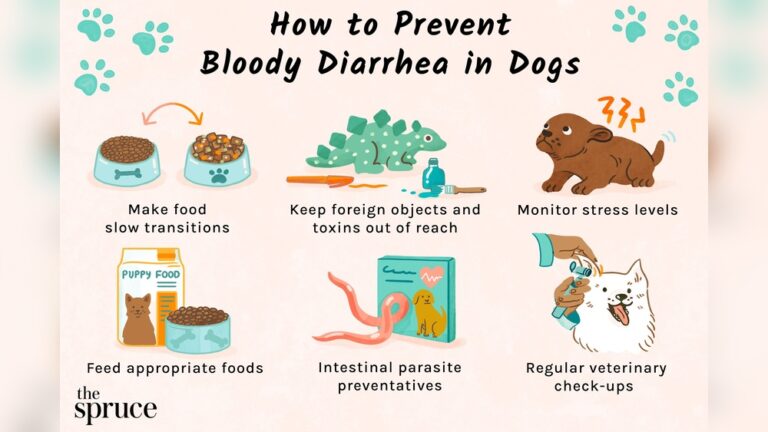
Preventing future episodes of dog diarrhea with blood is important for your pet’s health. Stopping the problem early helps your dog stay strong and happy. Small changes in care can make a big difference. Focus on simple steps to reduce risks. Keep your dog’s digestive system stable and protected.
Diet Management
Feed your dog a balanced, gentle diet. Choose foods that are easy to digest. Avoid sudden changes in meals. Introduce new food slowly over several days. Remove any table scraps or harmful treats. Provide fresh water at all times. Healthy food supports your dog’s gut health.
Regular Vet Checkups
Schedule vet visits at least twice a year. Early checks can find problems before they grow. Share any signs of diarrhea or weakness with the vet. Follow the vet’s advice for tests and treatments. Regular health checks keep your dog safe and well.
Parasite Control
Parasites can cause blood in diarrhea. Use vet-recommended parasite preventatives. Check your dog for ticks and fleas often. Clean your dog’s living area regularly. Parasite control lowers the chance of infections. A parasite-free dog is a healthier dog.
Frequently Asked Questions
What Causes Blood In Dog Diarrhea?
Blood in dog diarrhea can be caused by infections, parasites, or injuries in the gut. It may also result from eating harmful substances or certain diseases. Always check with a vet to find the exact cause.
How Serious Is Blood In My Dog’s Diarrhea?
Blood in diarrhea is a sign of a health problem that needs attention. It can be mild or serious depending on the cause. Timely vet care helps prevent complications.
Can Diet Changes Stop Dog Diarrhea With Blood?
Changing your dog’s diet can help if food allergies or sensitivities cause diarrhea. A bland diet may soothe the gut and reduce symptoms. Always consult a vet before making diet changes.
When Should I Take My Dog To The Vet For Bloody Diarrhea?
Take your dog to the vet if bloody diarrhea lasts more than 24 hours or worsens. Also seek help if your dog shows weakness, vomiting, or loss of appetite. Early care can save your dog’s health.
Conclusion
Blood in your dog’s diarrhea is a clear sign to act fast. It can mean many health issues, some serious. Watch your dog closely for other symptoms like weakness or vomiting. Keep your dog hydrated and avoid giving any medicine without advice.
Visit your vet as soon as possible for a proper check-up. Early care helps your dog recover better and faster. Don’t wait or ignore this problem. Your dog depends on you for quick help and comfort.