If your cat has kidney issues or you want to support their urinary health, choosing the right food is crucial. Foods low in phosphorus can help protect your cat’s kidneys and improve their quality of life.
But with so many options out there, how do you find the best cat food that meets these needs? You’ll discover top low-phosphorus cat foods available near you, what to look for on labels, and tips to keep your feline friend healthy and happy.
Keep reading to make the best choice for your cat’s diet and well-being.
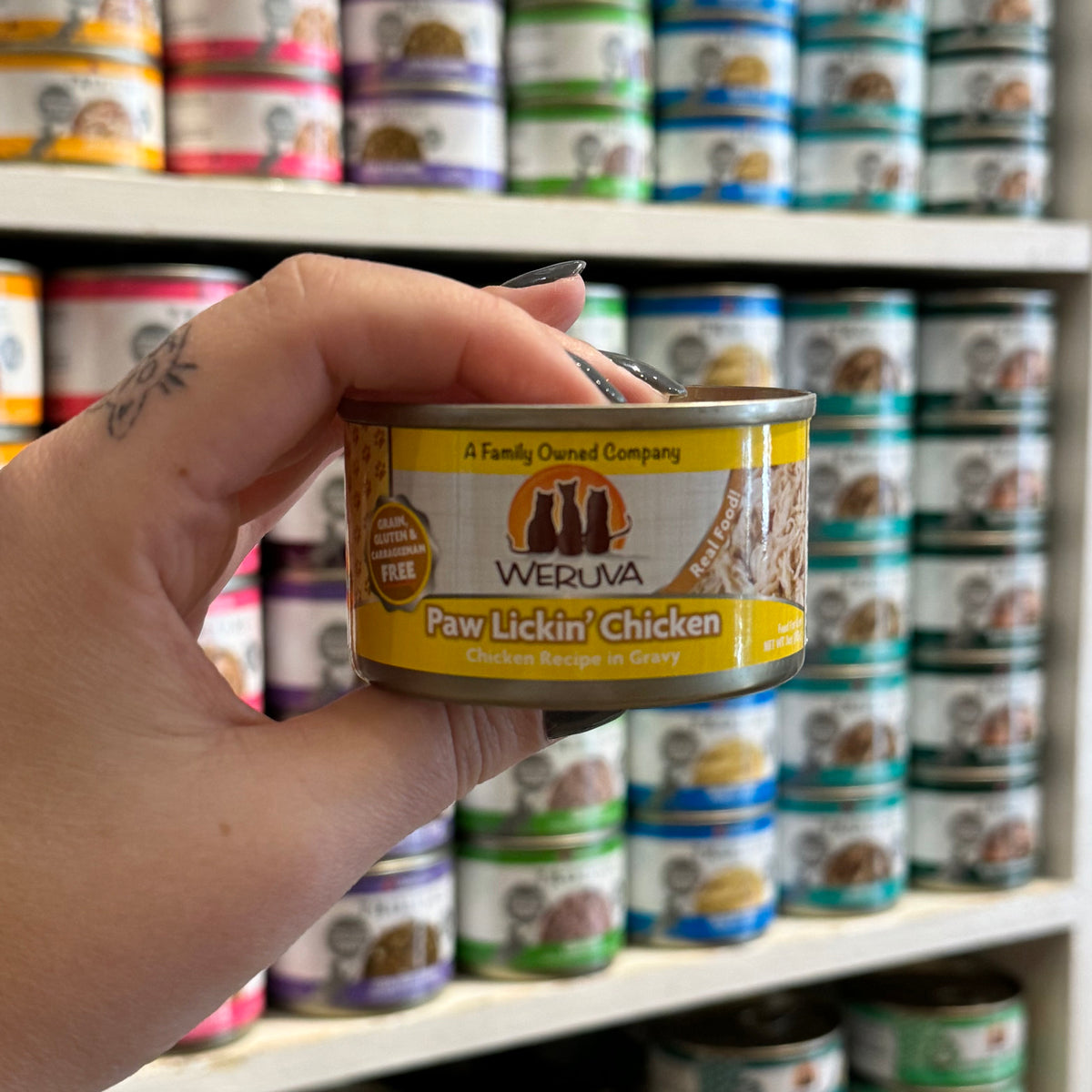
Credit: www.weruva.com
Why Low Phosphorus Matters
Choosing cat foods low in phosphorus plays a key role in maintaining your cat’s health. Phosphorus is a mineral found in many foods. But too much phosphorus can harm your cat’s body over time. Cats with certain health problems, especially kidney issues, need diets that limit phosphorus. This helps keep their organs working well.
Low phosphorus cat food supports overall wellness. It reduces strain on the kidneys and other organs. Feeding your cat foods with balanced phosphorus can prevent future health problems. It also helps cats with sensitive systems feel better. Understanding why low phosphorus matters helps you make better feeding choices.
Impact On Kidney Health
The kidneys filter waste and balance minerals. High phosphorus makes kidneys work harder. This stress can cause kidney damage or worsen kidney disease. Cats with kidney problems often show signs like poor appetite and weight loss.
Low phosphorus diets ease the burden on kidneys. They slow kidney damage and improve life quality. Vets often recommend low phosphorus foods for cats with kidney disease. This diet helps keep kidney function stable longer.
Benefits For Sensitive Cats
Cats with sensitive stomachs or allergies benefit from low phosphorus foods. These diets tend to be gentler and less likely to cause upset. Low phosphorus foods often contain fewer fillers and artificial ingredients.
Feeding sensitive cats low phosphorus food supports digestion and comfort. It reduces the chance of inflammation and allergic reactions. This diet helps sensitive cats stay healthy and active with less discomfort.
Phosphorus Levels In Cat Foods
Phosphorus plays a key role in a cat’s diet. It supports bone health and energy production. Yet, too much phosphorus can harm cats with kidney problems. Choosing cat foods low in phosphorus helps manage this risk. Knowing phosphorus levels in cat foods is essential for pet owners.
Typical Phosphorus Content
Most regular cat foods contain between 0.8% and 1.2% phosphorus. Wet foods often have slightly lower phosphorus than dry foods. Prescription diets for kidney health usually have less than 0.6%. Low phosphorus foods reduce strain on a cat’s kidneys. Always check the food type for phosphorus amounts.
How To Read Labels
Look for phosphorus content on the pet food label. It may appear as a percentage or in milligrams per serving. Ingredients like meat and fish add phosphorus naturally. Avoid foods listing high-phosphorus additives. Compare labels to find formulas with lower phosphorus. This helps keep your cat’s diet safe and healthy.
Top Prescription Diets
Prescription diets low in phosphorus help cats with kidney issues stay healthy. These diets control the amount of phosphorus to reduce kidney strain. They offer balanced nutrition tailored for renal health. Veterinarians often recommend these foods for cats with kidney disease. Below are some top prescription diets that focus on low phosphorus content.
Hill’s Prescription Diet K/d
Hill’s Prescription Diet K/D supports kidney function in cats. It contains reduced phosphorus and high-quality protein. This diet helps manage kidney disease symptoms effectively. It also includes antioxidants to support the immune system. Cats find it palatable and easy to digest.
Royal Canin Renal Support
Royal Canin Renal Support offers a variety of textures for picky eaters. It controls phosphorus and protein levels carefully. This diet helps slow kidney disease progression. It includes omega-3 fatty acids to reduce inflammation. Many cats accept it well, aiding consistent feeding.
Purina Pro Plan Veterinary Diets Nf
Purina Pro Plan Veterinary Diets NF is formulated for kidney health. It has low phosphorus and controlled protein content. This food supports kidney function and overall health. It contains nutrients that help maintain muscle mass. Cats enjoy its flavor and texture.
Iams Veterinary Formula Renal Plus
Iams Veterinary Formula Renal Plus focuses on kidney support with low phosphorus. It provides balanced nutrition with necessary vitamins and minerals. This diet helps cats feel better and stay active. It also offers a taste that many cats prefer. Ideal for cats needing renal care.

Credit: www.weruva.com
Best Non-prescription Options
Finding cat food low in phosphorus can help support your cat’s kidney health. Non-prescription options offer a balance of nutrition and affordability. These foods often include limited ingredients and gentle formulas. They are easy to find and convenient for daily feeding. Here are some of the best non-prescription cat foods low in phosphorus.
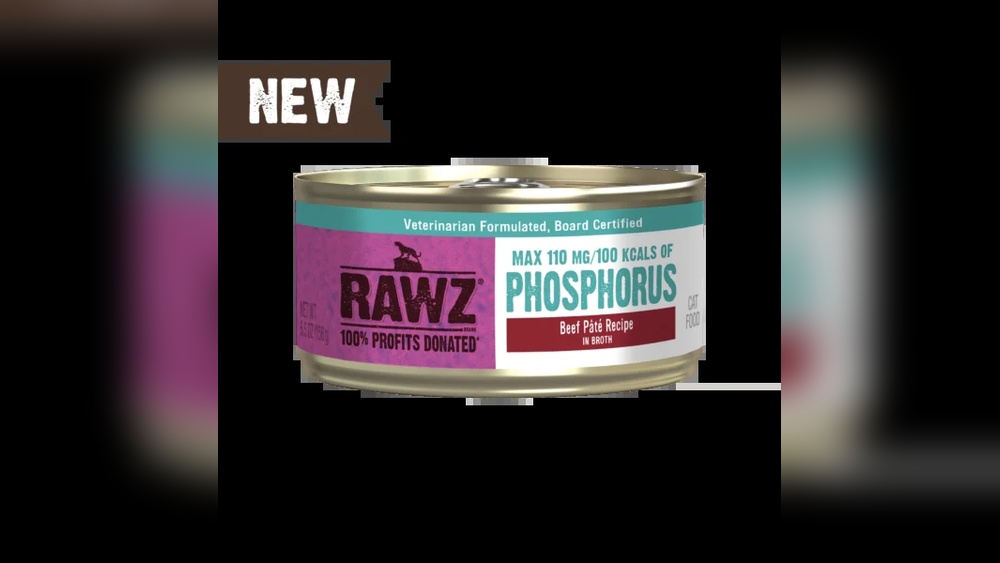
Weruva Wx Phos Focused
Weruva Wx Phos Focused is a wet cat food with low phosphorus levels. It uses high-quality proteins like chicken and fish. The formula is grain-free and easy to digest. Cats enjoy its soft texture and natural flavors. This option supports kidney health without a prescription.
Natural Balance Limited Ingredient
Natural Balance Limited Ingredient offers dry cat food with simple ingredients. It avoids fillers and common allergens, reducing stress on kidneys. The recipes often include chicken or salmon with green peas. This food is gentle on sensitive stomachs and helps maintain low phosphorus intake.
Blue Buffalo Sensitive Stomach
Blue Buffalo Sensitive Stomach focuses on gentle digestion and low phosphorus content. It contains wholesome chicken and brown rice. This formula supports cats with digestive issues and kidney concerns. Its natural ingredients promote overall health and well-being.
Wet Vs Dry Foods
Choosing the right food for cats with low phosphorus needs involves comparing wet and dry options. Both types offer unique benefits and considerations. Understanding these can help pet owners make informed decisions for their feline friends’ health.
Phosphorus Differences
Wet cat foods generally contain lower phosphorus levels than dry foods. This is due to their higher water content, which dilutes minerals. Dry foods often have concentrated nutrients, including phosphorus. Cats with kidney issues benefit from lower phosphorus intake to reduce strain on their organs.
Hydration Benefits
Wet foods provide extra hydration, important for cats prone to kidney problems. Many cats do not drink enough water on their own. Wet food helps maintain fluid balance and supports urinary tract health. Dry food lacks this hydration boost, so extra water is necessary.
Homemade Low Phosphorus Meals
Homemade low phosphorus meals offer a natural way to care for cats with kidney issues. Preparing meals at home allows control over ingredients and nutrient levels. This helps maintain your cat’s health and supports kidney function. Simple recipes can be both tasty and safe, providing comfort and nutrition.
Creating meals with low phosphorus content requires selecting the right ingredients and following proper preparation methods. Homemade food can be fresh, free of additives, and adjusted to your cat’s needs. This approach often improves appetite and digestion for cats sensitive to commercial diets.
Safe Ingredients
Choose lean meats like chicken breast or turkey without skin. These are low in phosphorus and high in protein. White fish such as cod or tilapia is another good option. Avoid organ meats like liver, as they contain high phosphorus levels. Include cooked egg whites for extra protein without extra phosphorus.
Vegetables such as carrots or green beans can add fiber and nutrients. Avoid peas and beans as they are high in phosphorus. Use small amounts of rice or pasta as a carbohydrate source. Always avoid seasoning, salt, or spices that might harm your cat.
Preparation Tips
Cook all meats thoroughly to kill bacteria and make digestion easier. Boiling or baking are best methods without adding fat. Remove any bones to prevent choking hazards. Chop food into small pieces to help your cat eat comfortably.
Prepare fresh meals in small batches to keep food safe and tasty. Store leftovers in the refrigerator for no more than two days. Avoid freezing homemade meals as this can affect texture and nutrients. Always consult your vet before changing your cat’s diet.
Treats And Snacks
Treats and snacks play a special role in a cat’s diet. They provide enjoyment and extra nutrition. For cats needing low phosphorus foods, choosing the right treats is important. These treats should support health without adding too much phosphorus. Careful selection helps maintain kidney health and overall well-being.
Low Phosphorus Treat Options
Many low phosphorus treats suit cats with kidney concerns. Freeze-dried meats like chicken or turkey are great choices. They have minimal additives and low phosphorus levels. Small portions of cooked egg can also be a healthy snack. Some commercial treats label phosphorus content on packaging. Look for those made with simple, natural ingredients. Avoid treats with high protein by-products or grains. Fresh vegetables like steamed carrots offer safe, low phosphorus options too.
Avoiding Harmful Ingredients
Some ingredients increase phosphorus and strain kidneys. Avoid treats with additives like phosphates or preservatives. Ingredients such as organ meats often have high phosphorus. Stay away from artificial colors and flavors that add no nutrition. Salt and sugar can harm a cat’s health and should be minimal. Reading ingredient lists helps find safe treats. Simple recipes or homemade snacks give full control over phosphorus levels. Always choose treats that support your cat’s dietary needs.

Credit: www.reddit.com
Managing Phosphorus Intake
Managing phosphorus intake is important for cats with kidney or urinary issues. Controlling the amount of phosphorus in their diet helps support kidney health and reduces strain on the organs.
Choosing cat foods low in phosphorus can improve your cat’s quality of life. Careful management includes monitoring portions and seeking professional advice.
Portion Control
Feed your cat measured portions to avoid excess phosphorus. Overfeeding can increase phosphorus levels and harm kidney function. Use a kitchen scale or measuring cup for accuracy. Stick to the recommended daily amount on the food label. Avoid giving too many treats that contain phosphorus. Regularly adjust portions as your cat’s weight or health changes.
Consulting Your Vet
Your veterinarian knows your cat’s health needs best. Schedule regular check-ups to monitor phosphorus levels. Vets can recommend the best low phosphorus cat food for your pet. They may suggest blood tests to track kidney function. Follow their advice on diet changes and portion sizes. Always ask before changing your cat’s food or supplements.
Signs Of Phosphorus Overload
Phosphorus overload can harm your cat’s health. It often affects cats with kidney problems or those eating high-phosphorus diets. Early signs help catch the issue before serious damage occurs. Watch your cat closely to spot changes in behavior or health.
Understanding these signs helps you choose the right cat foods low in phosphorus. This can protect your cat’s kidneys and improve their quality of life.
Symptoms To Watch For
Loss of appetite is common in cats with too much phosphorus. They may also drink and urinate more than usual. Weakness and lethargy can show as your cat feels tired and less active. Vomiting and diarrhea might occur as the body tries to cope. Your cat’s coat may look dull or dry, and weight loss can be noticeable. These symptoms suggest phosphorus overload and need attention.
When To Seek Help
Contact your vet if you notice any symptoms listed above. Early diagnosis can prevent kidney damage. Your vet may run tests to check phosphorus levels and kidney health. Follow their advice on diet changes and treatment. Using cat foods low in phosphorus can support your cat’s recovery. Quick action improves your cat’s chances of better health.
Frequently Asked Questions
What Is The Best Cat Food For Older Cats With Kidney Problems?
The best cat food for older cats with kidney problems is low in phosphorus and high in quality protein. Hill’s Prescription Diet K/D and Royal Canin Renal Support are top choices. Wet food options like Weruva Wx Phos Focused also support kidney health effectively.
How To Reduce Phosphorus In Cat Food?
Choose cat foods labeled low in phosphorus or kidney support formulas. Avoid high-phosphorus ingredients like organ meats and fish. Consult your vet for phosphorus-restricted diet options.
What Food Is Lowest In Phosphorus?
Foods lowest in phosphorus include fresh fruits, vegetables, white rice, and refined grains. Avoid dairy, nuts, and meat.
Conclusion
Choosing cat foods low in phosphorus helps protect your cat’s kidney health. These diets support cats with kidney issues or those needing special care. Always check the ingredient list for phosphorus content. Consult your vet before changing your cat’s food.
Feeding the right diet improves your cat’s comfort and longevity. Keep your cat happy and healthy with proper nutrition. Small changes make a big difference over time. Your cat deserves the best care every day.