Cat bites may look harmless at first, but they can be dangerous. When a cat bites, bacteria from its mouth can enter your skin and cause infection. In fact, about 50-80% of cat bites lead to infection if not treated quickly. The right antibiotic can prevent serious problems like cellulitis, abscesses, or even sepsis. But with so many antibiotics, which one works best? Choosing the right medicine is not always simple. Let’s look at the best options, how doctors decide, and what you need to know for safe recovery.
Why Cat Bites Are Risky
Cats have sharp teeth that can puncture deep into the skin. These wounds allow bacteria to settle in tissues below the surface. The most common bacteria from cat bites is Pasteurella multocida, found in over 70% of cat bite infections. Other germs like Staphylococcus and Streptococcus can also cause trouble. Even healthy cats carry these bacteria naturally.
If a bite becomes infected, symptoms may include:
- Redness and swelling
- Pain and warmth around the wound
- Pus or fluid leaking
- Fever or chills
Some infections can spread quickly. Within 24-48 hours, a simple bite may become a medical emergency.
Best Antibiotic For Cat Bites
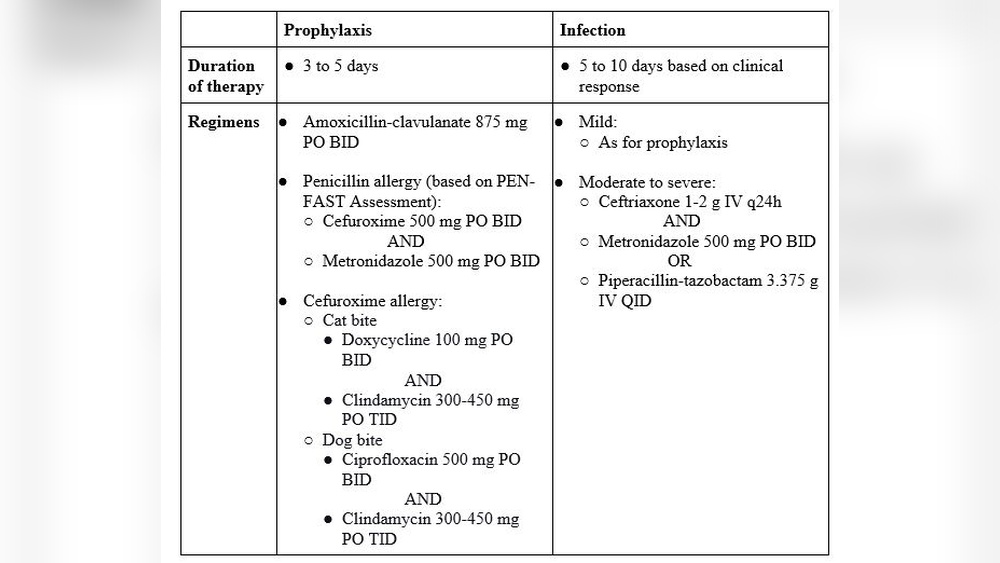
Doctors usually recommend amoxicillin-clavulanate as the first choice. This antibiotic covers the main bacteria found in cat bites, including Pasteurella multocida. It is effective, easy to take, and has a good safety record.
Here’s how the most common antibiotics compare:
| Antibiotic | Main Coverage | Usual Dose | Common Side Effects |
|---|---|---|---|
| Amoxicillin-Clavulanate | Pasteurella, Staph, Strep | 875/125 mg twice daily | Stomach upset, diarrhea |
| Doxycycline | Pasteurella, Staph | 100 mg twice daily | Sun sensitivity, nausea |
| Clindamycin | Staph, Strep | 300 mg three times daily | Diarrhea, rash |
| Azithromycin | Staph, Strep, Pasteurella (less) | 500 mg once daily | Stomach upset |
Amoxicillin-clavulanate is the best option because it covers both aerobic and anaerobic bacteria from cat bites. If you are allergic to penicillin, alternatives like doxycycline or clindamycin may be used, but they do not cover all bacteria as well.
Credit: emottawablog.com
How Doctors Decide Which Antibiotic
Several factors guide the choice:
- Type of infection: Deep bites or bites on the hands are more risky.
- Patient allergies: If someone is allergic to penicillin, other drugs are needed.
- Age and health: Children and pregnant women may need safer options.
- Local resistance patterns: In some places, bacteria resist certain antibiotics.
Doctors also check if the patient has other medical conditions, like diabetes or immune problems. These people may need stronger antibiotics or longer treatment.
Treatment Steps After A Cat Bite
Quick action is important. Here’s what to do:
- Clean the wound: Wash the bite with soap and water for at least 5 minutes.
- Stop bleeding: Use gentle pressure with a clean cloth.
- Seek medical care: If the wound is deep or swelling starts, see a doctor.
- Get antibiotics: Doctors often start antibiotics right away, even before lab results.
- Follow up: Return to the doctor if symptoms worsen or do not improve.
Doctors may also check for tetanus risk and update your vaccine if needed.

Credit: www.kinship.com
When Hospital Care Is Needed
Some bites need more than pills. Hospital care is needed if:
- The wound is large or deep
- Infection spreads to bones or joints
- The patient has a weak immune system
- There is severe pain, redness, or pus
In these cases, doctors may use intravenous antibiotics (given through a vein) and sometimes surgery to clean the wound.
Here’s a simple comparison:
| Situation | Outpatient Treatment | Hospital Treatment |
|---|---|---|
| Small, mild bite | Oral antibiotics | Not needed |
| Deep bite, spreading infection | Sometimes | IV antibiotics, surgery |
| Patient with weak immunity | Possible | Often needed |
Common Mistakes To Avoid
Many people wait too long to seek help. Even small bites can become infected fast. Here are mistakes to avoid:
- Ignoring minor wounds
- Using home remedies instead of antibiotics
- Stopping antibiotics early
- Not cleaning the wound well
Another mistake is not telling the doctor about allergies or other health problems. Always share this information.
Real-world Example
Sarah, age 32, was bitten by her cat while playing. She cleaned her wound, but after two days her finger became swollen and painful. Her doctor prescribed amoxicillin-clavulanate. Within 48 hours, the swelling improved. Sarah finished her full 7-day antibiotic course and avoided further complications. This shows how quick action and the right antibiotic can prevent serious infection.
Data On Cat Bite Infections
Studies show that cat bites are more likely to get infected than dog bites. One report found that 80% of cat bites needed antibiotics, compared to 15% of dog bites. This is because cats inject bacteria deep into tissues.
Another key insight: bites on the hands are most dangerous. Hand bites have a higher risk of spreading infection to tendons and bones.
| Location of Bite | Risk of Infection |
|---|---|
| Hand | High |
| Arm | Medium |
| Leg | Low |
| Face | Medium |
Practical Tips For Recovery
- Take all prescribed antibiotics, even if you feel better.
- Keep the wound clean and dry.
- Watch for signs of infection: Redness, swelling, pus, or fever.
- Avoid using creams or ointments unless your doctor recommends.
- Tell your doctor if you have allergies or other health conditions.
Frequently Asked Questions
What Is The Best Antibiotic For Cat Bites?
The best antibiotic is usually amoxicillin-clavulanate. It covers most bacteria found in cat bites and is safe for most people.
How Long Should I Take Antibiotics After A Cat Bite?
Most people need antibiotics for 5-7 days. If the infection is severe, treatment may last longer. Always finish your prescription.
What If I Am Allergic To Penicillin?
If you are allergic to penicillin, doctors may use doxycycline or clindamycin. These work for many bacteria but may not cover all types.
When Should I See A Doctor For A Cat Bite?
See a doctor if the bite is deep, bleeding does not stop, or you notice swelling, redness, or pus. Fast care prevents complications.
Can Cat Bite Infections Be Serious?
Yes. Cat bites can cause serious infections, especially on the hands or in people with weak immune systems. Quick treatment is important.
Choosing the right antibiotic for cat bites is not just about picking a medicine. It’s about acting fast, understanding the risks, and following your doctor’s advice. Remember, amoxicillin-clavulanate is usually best, but other options are available for those with allergies or special health needs. Take care of cat bites seriously and you’ll recover safely. For more details, you can read about animal bite management from National Center for Biotechnology Information.

Credit: www.clearvuehealth.com