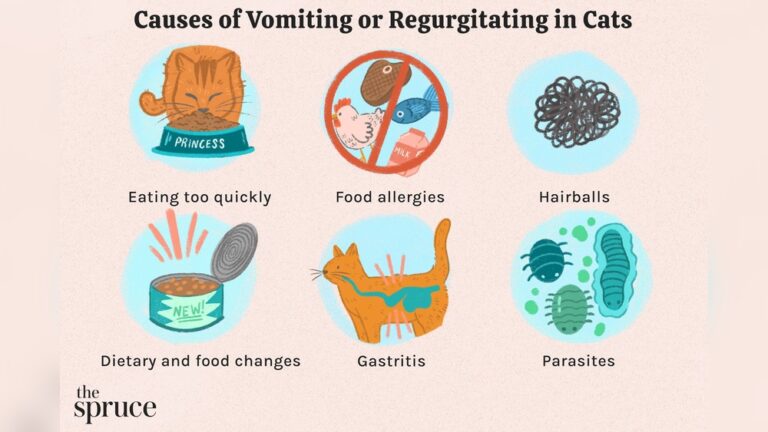

Many cat owners know the sound: that deep, hacking cough that means a hairball is on its way. Hairballs are common in cats, especially those with long hair or who groom often. While they’re usually harmless, frequent hairballs can signal discomfort or even a health issue. Finding the best hairball remedy for cats can bring relief to both felines and their owners. With so many products and tips out there, it’s important to know what truly works, what to avoid, and how to keep your cat happy and healthy.
Why Do Cats Get Hairballs?
Cats are self-cleaning animals. When they lick their fur, loose hair is swallowed. Most of it passes through the digestive system and ends up in the litter box. Sometimes, though, hair gets stuck in the stomach and forms a hairball.
This is more common in long-haired breeds, older cats, and cats who groom themselves or others a lot.
A few hairballs a year are normal. But if your cat has hairballs every week, vomits often, or seems constipated, it’s time to take action.
Top Hairball Remedies For Cats
Choosing the best hairball remedy depends on your cat’s needs, preferences, and health. Here’s a look at the most trusted solutions, how they work, and their pros and cons.
1. Hairball Control Gels And Pastes
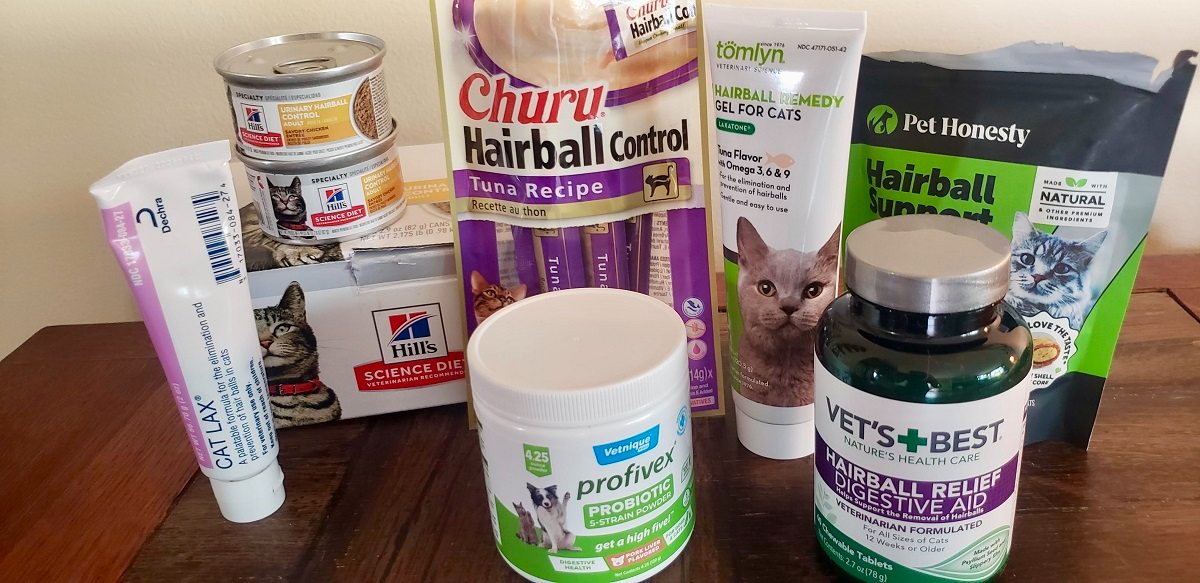
These products are easy to use and widely recommended by vets. Hairball gels work by lubricating the digestive tract, helping swallowed fur pass through more easily.
- How to use: Apply a pea-sized amount to your cat’s paw or mouth. Most cats lick it off.
- Active ingredient: Petrolatum or mineral oil.
- Example product: Laxatone, Tomlyn Hairball Remedy.
Insight: Some cats dislike the flavor or texture, so you may need to try a few brands.
2. High-fiber Cat Foods
Special hairball formula foods add more fiber, which helps push hair through the digestive system. Many major cat food brands offer these options.
- How it helps: Fiber binds to hair and moves it through the gut.
- Popular brands: Hill’s Science Diet, Royal Canin Hairball Care.
Tip: Switch food slowly to prevent stomach upset. Mix a bit of new food with old food over 7–10 days.
3. Regular Grooming And Brushing
Brushing removes loose hair before your cat swallows it. This is especially important for long-haired breeds like Persians or Maine Coons.
- Best tools: Slicker brushes, grooming gloves, or deshedding tools.
- How often: At least once a week for short-haired cats, and daily for long-haired cats.
Practical insight: Many owners brush their cats only during shedding seasons, but regular grooming year-round greatly reduces hairballs.
4. Hairball Treats
Many cats love treats, and some brands add fiber or lubricants to help with hairball control.
- How to use: Give as a daily snack, following package directions.
- Popular choices: Greenies Feline SmartBites, Temptations Hairball Control.
Beginner mistake: Relying only on treats may not be enough for cats with frequent hairballs.
5. Increase Water Intake
Cats on dry food may not drink enough water. Proper hydration helps hair move smoothly through the digestive tract.
- Encourage drinking: Use a cat water fountain, add water to wet food, or place multiple bowls around your home.
Non-obvious tip: Some cats prefer running water. A fountain can double or triple their daily intake.
6. Natural Home Remedies
A small amount of plain pumpkin (not pie filling) can add fiber. Some owners use a few drops of olive oil or fish oil, but always check with your vet first.
- Pumpkin: 1–2 teaspoons mixed with food.
- Oils: Only vet-approved types and amounts.
Warning: Too much oil can cause diarrhea.
7. Prescription Hairball Remedies
For cats with chronic hairball problems, your vet may suggest prescription medications or supplements. These can include stronger lubricants or mild laxatives.
- Only use under vet guidance.
- May require regular check-ups.
Insight: Medical hairball problems can sometimes signal deeper issues, such as intestinal blockages or allergies.
Credit: cats.com
Comparing Hairball Remedies
Here’s a look at how common hairball remedies compare for effectiveness, safety, and ease of use:
| Remedy Type | Effectiveness | Safety | Ease of Use |
|---|---|---|---|
| Gels/Pastes | High | Safe (when used as directed) | Easy |
| High-Fiber Food | Moderate-High | Very Safe | Very Easy |
| Grooming | High | Very Safe | Moderate |
| Treats | Moderate | Safe | Very Easy |
| Home Remedies | Low-Moderate | Check with vet | Easy |
What To Look For When Choosing A Hairball Remedy
Selecting the best hairball remedy for cats isn’t one-size-fits-all. Here’s what matters most:
- Safety: Check for safe, vet-approved ingredients. Avoid remedies with artificial additives or unknown oils.
- Cat Preference: Some cats refuse certain flavors or textures. You may need to experiment.
- Frequency of Hairballs: For frequent or severe cases, a combination of remedies often works best.
- Ease of Use: Gels and treats are simple, but brushing requires time and patience.
- Vet Advice: Always talk to your vet if hairballs are frequent or your cat seems sick.
Common Mistakes Cat Owners Make
Even well-meaning owners sometimes make errors. Avoid these pitfalls:
- Using human laxatives or oils without vet advice.
- Switching diets too quickly, causing digestive upset.
- Ignoring hairball symptoms that get worse or more frequent.
- Overfeeding treats, which can lead to obesity.
Product Comparison: Leading Hairball Gels
Let’s compare three popular hairball gels:
| Brand | Main Ingredient | Flavor Options | Price Range |
|---|---|---|---|
| Laxatone | Petrolatum | Malt, Tuna | Moderate |
| Tomlyn Hairball Remedy | White Petrolatum | Malt, Catnip | Moderate |
| Sentry Hairball Relief | Petrolatum | Malt | Low |
When To See A Vet
Sometimes, hairballs point to something more serious. Contact your vet if you notice:
- Frequent vomiting, not just hairballs
- Loss of appetite
- Constipation or diarrhea
- Lethargy or hiding
These can be signs of a digestive blockage or another illness.
Extra Tips For Reducing Hairballs
- Vacuum regularly to reduce fur around your home.
- Provide scratching posts to help remove loose hair naturally.
- Consider a regular grooming routine at a pet salon for long-haired cats.
:strip_icc()/tomlyn-laxatone-gel-hairball-control-5fd35dd0b77d4d50b39344b848ff07f0.jpg)
Credit: www.thesprucepets.com
Additional Resources
For more on cat hairballs and their treatment, visit the ASPCA Cat Grooming Tips page.
Frequently Asked Questions
How Often Should I Give My Cat A Hairball Remedy?
Most hairball gels or pastes can be given once or twice a week for prevention. Always follow the product’s directions and your vet’s advice.
Are Hairball Treats Enough To Stop Hairballs?
Hairball treats can help, but they work best when combined with regular grooming and a proper diet. For severe cases, treats alone may not be enough.
Can Hairballs Be Dangerous For Cats?
Yes, in rare cases, hairballs can cause blockages in the intestines. If your cat is vomiting often, not eating, or seems sick, see a vet right away.
Is It Okay To Use Home Remedies Like Olive Oil?
Some home remedies can help, but always ask your vet first. Too much oil can upset your cat’s stomach or cause other problems.
Do Indoor Cats Get More Hairballs?
Indoor cats may groom more from boredom and shed year-round, so they can get more hairballs than outdoor cats. Regular play and grooming help reduce this risk.
Helping your cat with hairballs is about more than just choosing a product—it’s about understanding your cat’s habits, diet, and health. With the right approach, you can keep your feline friend happy, comfortable, and hairball-free.
Credit: vetsbest.com