
If you’re a dog owner, you’ve probably heard about neutering and wondered: when is the best age to neuter your dog? It’s a question that matters more than you might think because the timing can impact your dog’s health, behavior, and overall well-being.
Choosing the right moment isn’t just about convenience—it’s about giving your furry friend the best chance at a long, happy life. You’ll discover expert insights on the ideal age to neuter your dog, how breed and size play a role, and what risks to watch out for if done too early or too late.
Keep reading to make the best decision for your loyal companion.
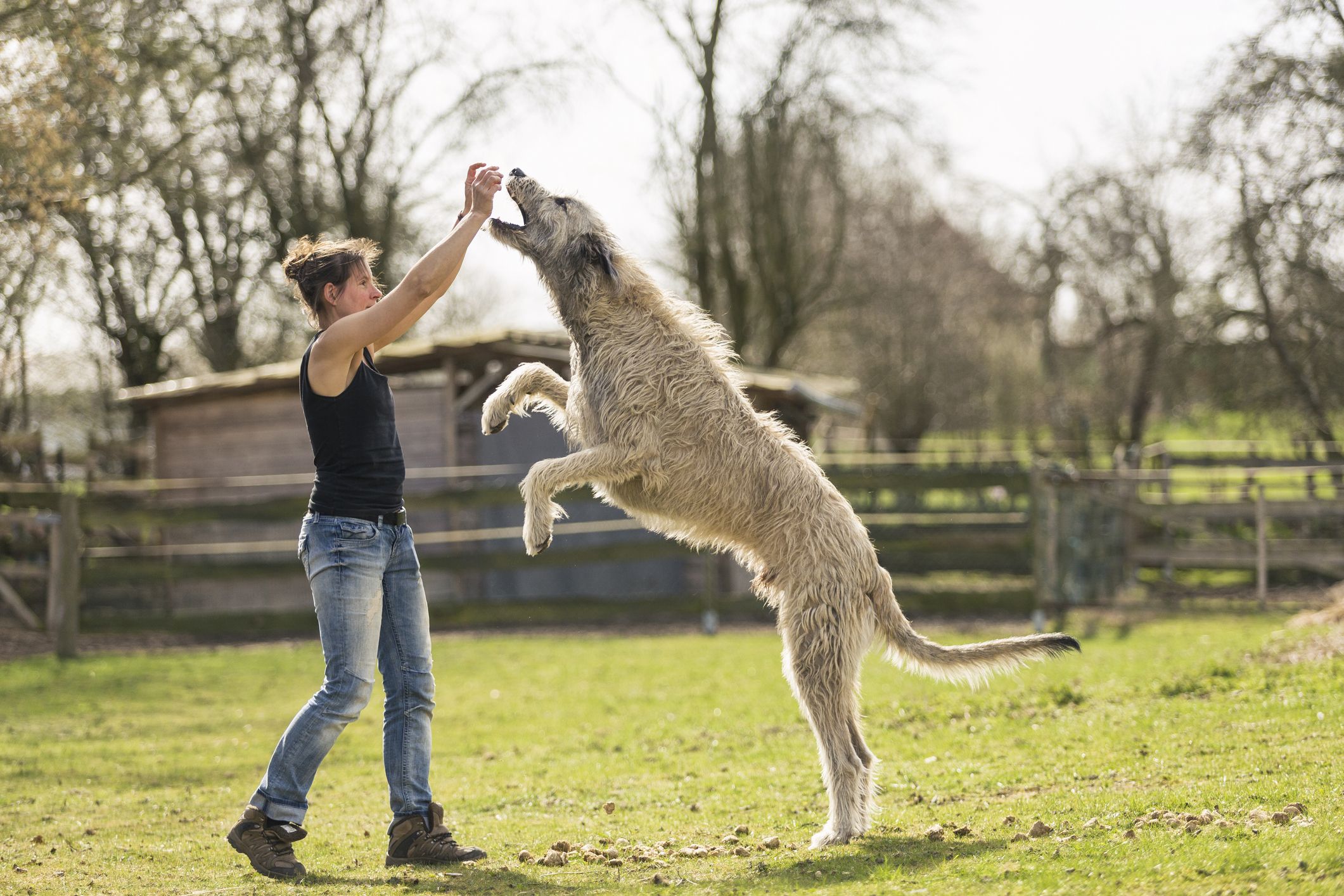
Credit: www.whole-dog-journal.com
Timing By Size
Choosing the right time to neuter your dog depends a lot on their size. Different breeds grow at different rates. This affects when it is safest and healthiest to perform the surgery. Understanding these differences helps you make the best decision for your pet’s well-being.
Small Breeds
Small dogs mature faster than larger breeds. They often reach full growth by six to nine months. Neutering can usually be done around this age safely. Early neutering may reduce risks of certain health issues. It can also help control behavior problems linked to hormones.
Large Breeds
Large dogs grow more slowly. Their bones and joints take longer to develop fully. Vets often recommend waiting until they are 12 to 18 months old. This delay supports better bone health and reduces the chance of joint problems. Timing neutering later can promote stronger physical development.
Giant Breeds
Giant breeds take the longest to mature. They may need up to 18 to 24 months before neutering. Early surgery can increase risks of bone diseases and other health concerns. Waiting allows their bodies to grow completely. This helps keep them healthy and active for years.
Breed-specific Risks
Breed-specific risks play a key role in deciding the best age to neuter a dog. Different breeds react uniquely to neutering. Some face higher chances of health problems if neutered too early. Understanding these risks can help owners and vets make informed choices. The goal is to protect the dog’s health while managing reproductive control.
Cancer Risks
Certain breeds have increased cancer risks after early neutering. For example, Golden Retrievers may develop lymphoma or hemangiosarcoma more often. Neutering too soon might raise these risks by affecting hormone levels. Large breeds like Rottweilers also show higher cancer rates post-neutering. Small breeds tend to have fewer cancer concerns related to neutering.
Joint Disorders
Early neutering can affect bone growth and joint health. Breeds such as German Shepherds and Labradors are prone to hip dysplasia and other joint issues. Neutering before full maturity can weaken joints or change growth patterns. This increases risks of arthritis and ligament injuries. Waiting until bones fully develop reduces these joint problems in susceptible breeds.
Behavioral Effects
Neutering affects behavior but varies by breed. Some dogs may become calmer and less aggressive after neutering. Others might show increased anxiety or fearfulness. Breeds like Border Collies may experience changes in activity and trainability. Timing matters; neutering too early can disrupt normal behavioral development. Discuss breed-specific behavior with your vet for the best approach.
Physical Maturity
Physical maturity plays a key role in deciding the best age to neuter a dog. It affects how your dog’s body grows and develops. Neutering too early can impact bone strength and hormone balance. Understanding these changes helps choose the right time for the procedure.
Bone Growth Plates
Bone growth plates are soft areas at the ends of bones. These plates allow bones to grow longer as your dog matures. Neutering before these plates close may delay their closure. This can cause bones to grow longer than normal. It might lead to joint problems or weak bones. Larger breeds often have growth plates that close later. Waiting until these plates are mostly closed can protect your dog’s bone health.
Hormonal Development
Hormones control many changes during your dog’s growth. Neutering removes the source of some key hormones like testosterone and estrogen. These hormones influence physical traits and behavior. Early neutering can reduce hormone levels too soon. This may affect muscle development and energy levels. Hormones also help in bone and joint health. Allowing your dog to develop hormones before neutering supports stronger bones. It also helps maintain a healthy balance in their body systems.
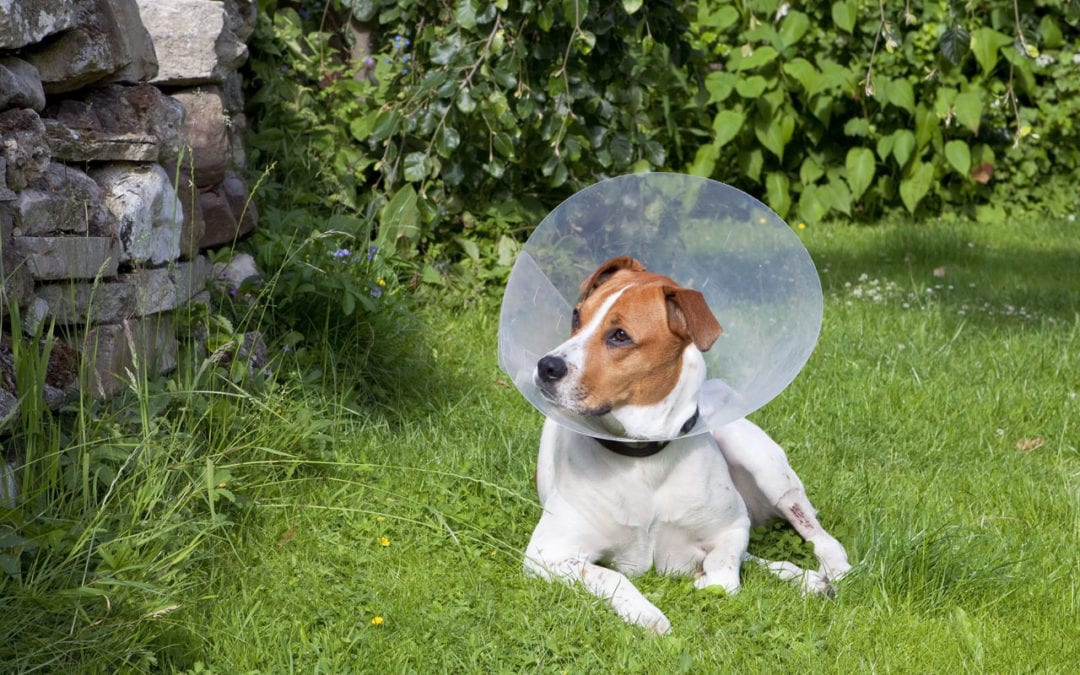
Credit: dedhamvetassociates.com
Health Benefits
Neutering your dog offers several important health benefits. It can help prevent many diseases and improve your dog’s quality of life. Understanding these benefits can guide you in choosing the best age to neuter your dog. Early or timely neutering supports your dog’s long-term wellness.
Reduced Disease Risks
Neutering lowers the chance of certain cancers. It eliminates the risk of testicular cancer in male dogs. For females, spaying reduces the risk of ovarian and uterine cancers. It also helps prevent infections like pyometra, a serious uterine infection. Early neutering can reduce prostate problems in males. Overall, neutering protects your dog from many harmful diseases.
Weight Management
Neutered dogs tend to have a slower metabolism. This can lead to weight gain if not managed. However, neutering also reduces roaming and activity levels. This means neutered dogs often eat less and rest more. Proper diet and exercise are key after neutering. Maintaining a healthy weight helps prevent diabetes and joint issues. Neutering supports weight control when combined with good care.
Potential Health Issues
Neutering a dog affects more than just behavior. It can influence health risks too. Understanding potential health issues linked to neutering helps decide the best age for this surgery. Some concerns depend on timing and the dog’s breed and size.
Orthopedic Problems
Early neutering can raise the risk of joint problems. Dogs neutered before full growth may face hip dysplasia or cruciate ligament tears. Large breeds are more vulnerable to these issues. Delaying neutering allows bones to grow stronger and reduces these risks.
Cancer Incidences
Neutering lowers some cancer risks but may increase others. It reduces testicular and ovarian cancers completely. Yet, neutered dogs sometimes have higher chances of bone cancer and certain lymphomas. The risk varies by breed and age at neutering.
Metabolic Concerns
Neutering affects metabolism and weight control. Dogs may gain weight more easily after the surgery. Excess weight can cause diabetes and heart problems. Managing diet and exercise becomes crucial after neutering to avoid these issues.
Urinary Health
Urinary problems can relate to neutering age. Early neutering may increase the risk of urinary incontinence, especially in female dogs. Male dogs may face a higher chance of urinary blockages. Proper timing and veterinary advice help reduce these concerns.

Credit: twinpeaksvet.com
Veterinarian Guidance
Choosing the best age to neuter a dog involves careful veterinarian guidance. Vets provide advice based on detailed knowledge of dog health. Their input helps ensure the procedure happens at the right time. This reduces risks and promotes the dog’s long-term well-being.
Individual Health Assessment
Veterinarians start by examining your dog’s overall health. They check for any illnesses or conditions. This assessment affects the timing of neutering. Dogs with health concerns may need to wait or get special care. Healthy dogs may be ready for neutering earlier.
Lifestyle Considerations
Each dog’s lifestyle plays a role in timing neutering. Active dogs or those with outdoor access may face different risks. Vets consider your dog’s daily activity and environment. This helps decide when neutering will be safest. Lifestyle factors ensure the dog recovers well and stays healthy.
Breed Predispositions
Some breeds have unique health risks linked to neutering age. Vets know which breeds may develop joint or cancer issues early. Larger breeds often benefit from waiting for full growth. Smaller breeds usually have fewer concerns. Breed-specific advice helps prevent long-term health problems.
Common Age Ranges
Choosing the right time to neuter your dog can feel confusing. Dogs grow at different rates. This affects the best age for neutering. Common age ranges help guide owners and vets. They balance health, behavior, and recovery.
Traditional Timing
Traditional timing usually means neutering dogs between six and nine months. This age allows puppies to grow but still prevents unwanted litters early. Many vets recommend this range as a safe middle ground. It supports physical development and reduces some health risks.
Early Neutering
Early neutering happens before six months old. Some shelters and vets prefer this to control pet populations quickly. Puppies can recover well from surgery at this age. Early neutering may affect growth and hormone levels. It might lower some cancer risks but raise others.
Delayed Procedures
Delayed neutering means waiting until the dog is older than nine months. Large breeds often benefit from this wait. Delaying allows full bone and muscle development. It may reduce joint problems and certain cancers in some breeds. This approach needs vet guidance to match each dog’s needs.
Long-term Outcomes
The decision to neuter your dog affects many aspects of their life. Understanding the long-term outcomes helps you choose the best time. Changes in behavior, physical health, and lifespan all play a role. Each dog is unique, so results may vary. Here is what to expect over time after neutering.
Behavioral Changes
Neutering often reduces aggressive and territorial behaviors. Dogs may show less marking and mounting. Some dogs become calmer and less anxious. Early neutering can lower the chance of roaming. Training and socialization still matter for good behavior. Not all dogs respond the same way.
Physical Health
Neutering prevents unwanted pregnancies and certain cancers. It lowers the risk of testicular and prostate diseases. Early neutering may increase joint problems in large breeds. Obesity risk can rise due to lower metabolism. Balanced diet and exercise help maintain good health. Discuss breed-specific risks with your vet.
Longevity
Neutered dogs often live longer than intact dogs. Reduced risks of certain diseases contribute to longer life. Some studies show a difference of up to two years. Quality of life improves with fewer health issues. Regular veterinary care remains essential for all dogs. Longevity depends on many factors beyond neutering.
Frequently Asked Questions
What Is The Healthiest Age To Neuter A Male Dog?
The healthiest age to neuter a male dog varies by breed and size. Generally, six to nine months is ideal. Larger breeds benefit from waiting until full physical maturity to reduce health risks. Consult your veterinarian to choose the best time based on your dog’s specific needs.
What Happens If A Dog Is Neutered Too Early?
Neutering a dog too early can disrupt hormonal growth, increasing risks of joint problems, certain cancers, obesity, and behavioral issues.
At What Age Is A Dog No Longer Considered A Puppy?
A dog is no longer considered a puppy after reaching one year old. Large breeds may mature slower, up to 18-24 months.
Is 3 Years Too Late To Neuter A Dog?
Neutering a dog at 3 years is not too late. It still offers health and behavioral benefits. Consult your vet for specific advice.
Conclusion
Choosing the best age to neuter your dog depends on many factors. Size, breed, and health all matter. Larger dogs may need to wait longer for full growth. Smaller breeds often can be neutered earlier. Your veterinarian knows your dog’s unique needs best.
Early neutering can prevent some health issues but may increase others. The right timing supports your dog’s long-term health. Keep communication open with your vet throughout your dog’s growth. Healthy decisions lead to a happy, well-adjusted pet.