If your dog is experiencing loose stool and vomiting, you’re likely feeling worried and unsure about what to do next. These symptoms can be more than just a minor upset—they could signal something serious happening inside your dog’s body.
You want to help your furry friend feel better fast, but it’s important to know when to act and how to care for them properly. You’ll learn the common causes of diarrhea and vomiting in dogs, what signs mean you need to see a vet immediately, and simple steps you can take at home to support your dog’s recovery.
Keep reading to make sure your dog gets the care they need before things get worse.

Credit: institut-virologie-strasbourg.fr
Symptoms Of Loose Stool And Vomiting
Loose stool and vomiting are common signs that your dog might be unwell. These symptoms often indicate issues in the digestive system. Recognizing the symptoms early helps to provide timely care. Watch your dog closely for any changes in their health or behavior.
Signs To Watch For
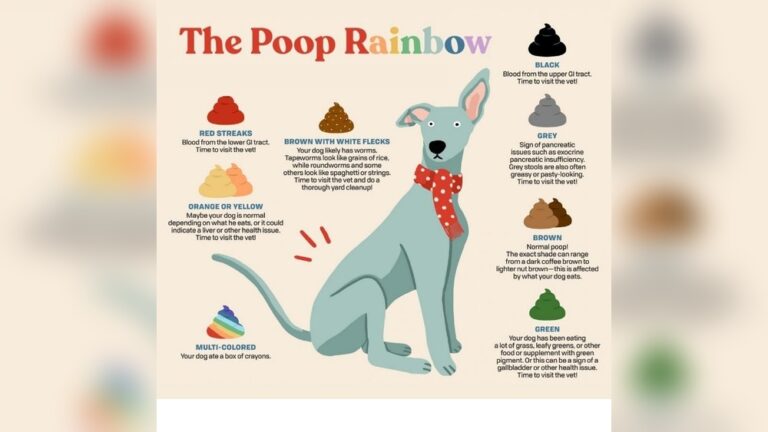
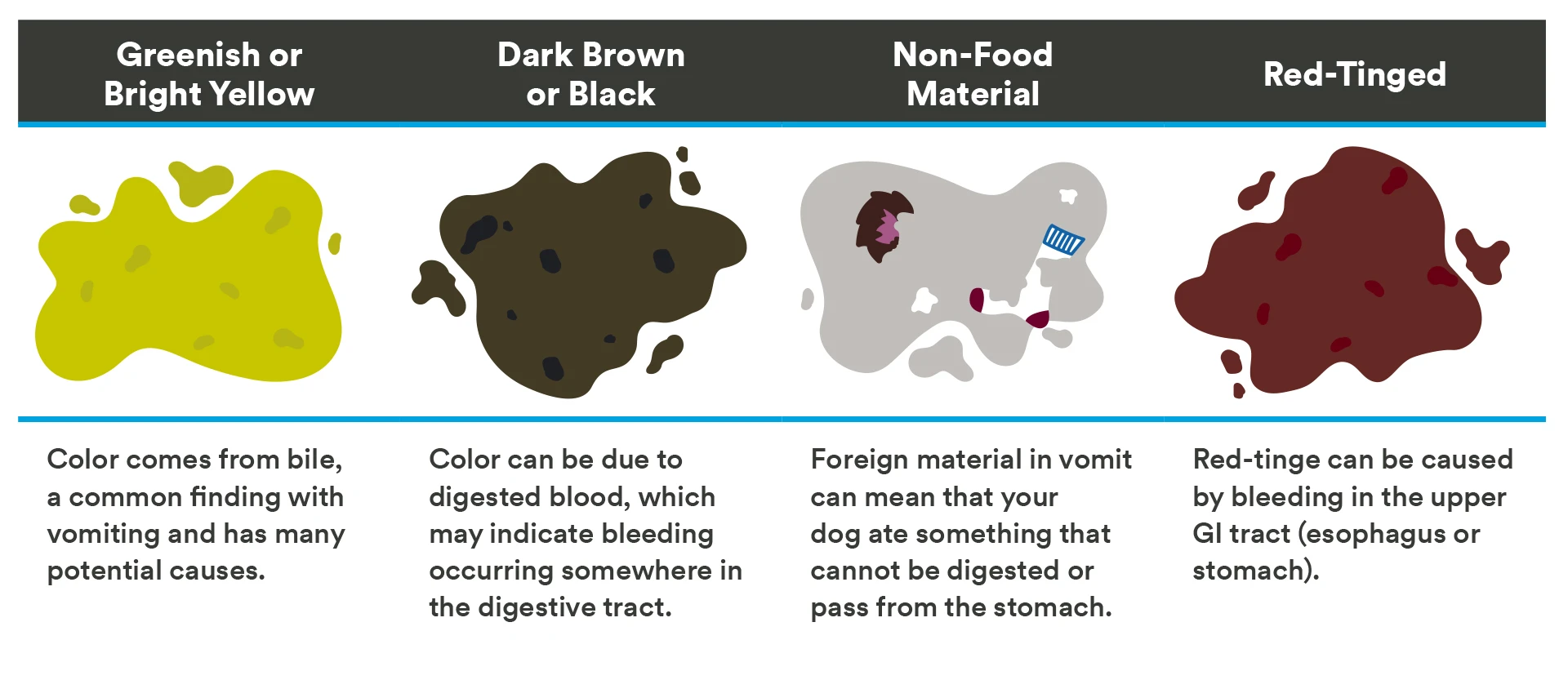
Loose stool may vary in color, texture, and frequency. It can be watery or contain mucus. Vomiting can range from occasional to frequent episodes. Look for signs like stomach retching or gagging. Notice if your dog vomits food, bile, or foam. Persistent vomiting or diarrhea needs prompt attention.
Dehydration Indicators
Vomiting and loose stool can cause dehydration quickly. Check if your dog’s gums are dry or sticky. Sunken eyes also suggest fluid loss. Skin elasticity test helps; gently pinch the skin on the neck. If it stays up instead of returning quickly, dehydration may be present. Reduced urination or dark-colored urine is another warning sign.
Behavioral Changes
Illness can affect your dog’s mood and energy. Watch for unusual tiredness or weakness. Your dog may hide or avoid interaction. Loss of appetite or refusal to drink water is common. Restlessness or whining might indicate discomfort or pain. Any sudden behavior change should be taken seriously.
Common Causes
Loose stool and vomiting in dogs can stem from various causes. Identifying the root cause helps in managing your dog’s health effectively. Some causes are mild and resolve quickly, while others need immediate veterinary care.
Dietary Indiscretion
Dogs often eat things they should not. Garbage, spoiled food, and table scraps can upset their stomach. Eating foreign objects like toys or sticks may cause irritation or blockage. This behavior leads to loose stools and vomiting as the body tries to expel harmful items.
Infections And Parasites
Bacterial infections such as Salmonella and E. coli can trigger digestive upset. Viral infections like Parvovirus are serious and cause severe symptoms. Parasites including worms and giardia disturb the intestines. These infections cause inflammation, leading to diarrhea and vomiting.
Systemic Illnesses
Diseases affecting organs can cause gastrointestinal problems. Pancreatitis inflames the pancreas, causing pain and vomiting. Inflammatory bowel disease (IBD) disrupts normal digestion. Kidney and liver diseases also result in nausea and loose stool due to toxin buildup in the body.
Toxins And Foreign Objects
Toxic substances such as chemicals, plants, or human medications can poison dogs. Eating objects like bones or fabric can block or damage the intestines. These issues cause vomiting and diarrhea as the body attempts to remove the toxins or objects.
When To Seek Veterinary Care
Knowing when to seek veterinary care for your dog with loose stool and vomiting is crucial. These symptoms can range from mild to severe. Prompt action can prevent serious health issues.
Emergency Warning Signs
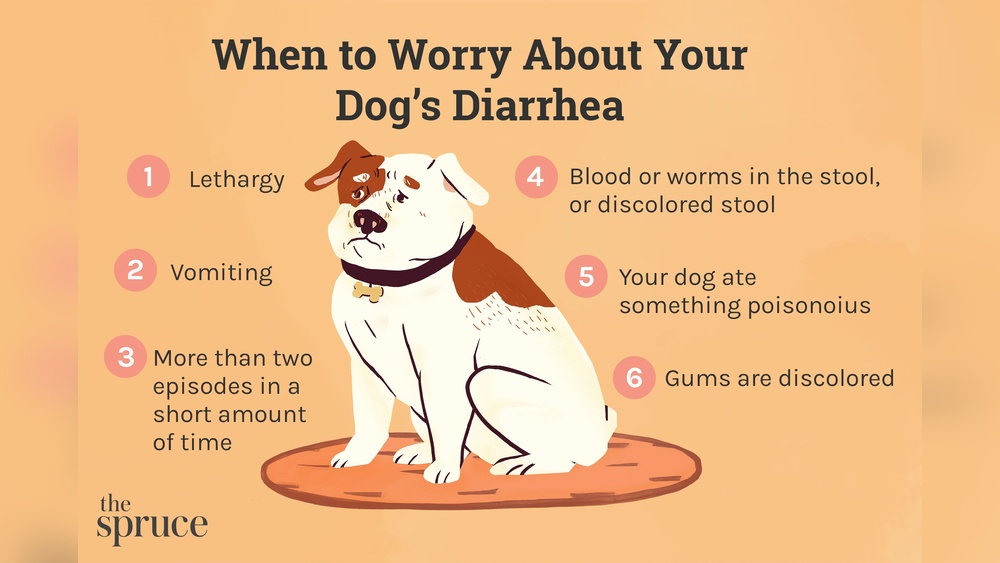
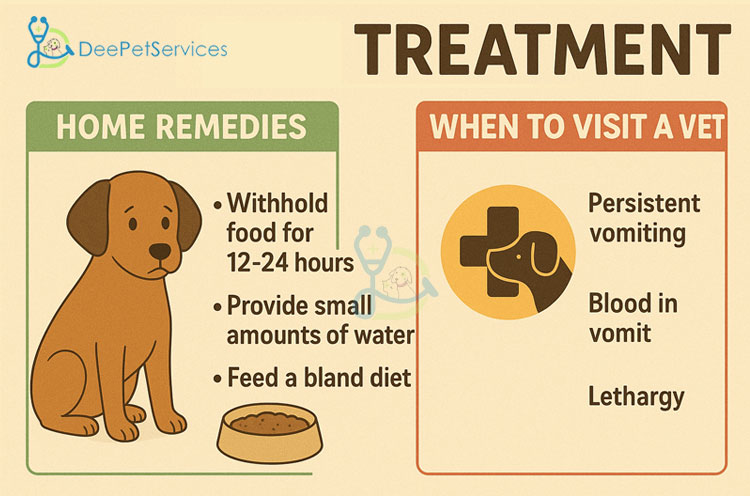
Watch for blood in vomit or diarrhea. Severe lethargy or sudden collapse demands urgent care. Dehydration signs include dry gums and sunken eyes. Painful or bloated abdomen needs immediate attention.
High-risk Dogs
Puppies and senior dogs require faster medical help. Dogs with chronic illnesses face higher risks. Small breeds may become dehydrated more quickly. Always monitor these dogs closely for worsening symptoms.
Duration And Severity
Vomiting or diarrhea lasting more than 24 hours needs vet evaluation. Severe or frequent episodes increase health risks. Loss of appetite and weakness signal serious problems. Early treatment improves recovery chances and comfort.
Credit: imprimiloya.net
At-home Care Tips
Taking care of a dog with loose stool and vomiting at home requires careful attention. These symptoms can cause dehydration and discomfort. Acting quickly helps your dog recover faster. Follow simple steps to support your pet safely.
Hydration Strategies
Keep fresh water available at all times. Dogs with vomiting may refuse to drink. Offer small amounts of water frequently to avoid choking. Ice cubes can encourage drinking if your dog is reluctant. Low-sodium broth adds flavor and fluids. Avoid sugary drinks or milk, as they can worsen symptoms.
Food Withholding And Reintroduction
Stop feeding your dog for 8 to 12 hours to rest the stomach. This pause helps reduce vomiting and diarrhea. After fasting, start with small, light meals. Gradually increase food quantity over a few days. Watch your dog’s reaction to each meal. Resume normal feeding once stool and vomiting improve.
Safe Foods To Offer
Choose bland, easy-to-digest foods to soothe the stomach. Boiled chicken without skin or bones is ideal. Plain white rice helps bind loose stool. Pumpkin puree can ease digestion and add fiber. Avoid fatty, spicy, or dairy products until your dog feels better. Consult your vet if symptoms persist beyond a day or worsen.
Preventive Measures
Preventing loose stool and vomiting in dogs helps keep them healthy and happy. Simple steps reduce the risk of these issues. These measures protect your dog’s digestive system from common problems.
Safe Diet Practices
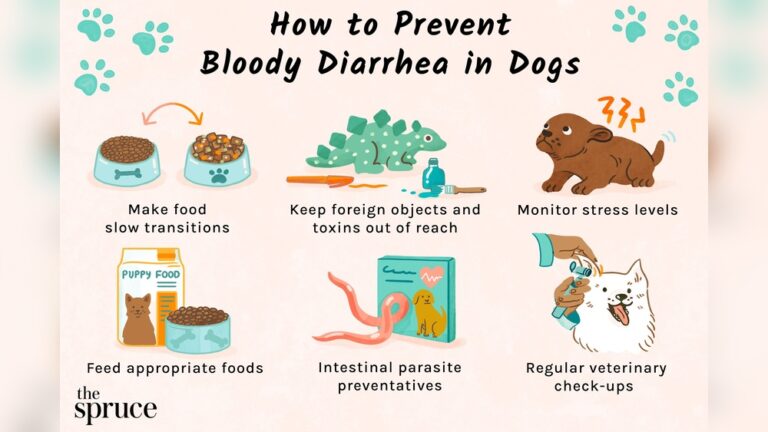
Feed your dog high-quality, balanced food. Avoid sudden diet changes that upset their stomach. Keep human food and trash out of reach. Offer fresh water every day. Remove any spoiled or moldy food quickly. Small, frequent meals can improve digestion. Treats should be healthy and given sparingly.
Regular Vet Checkups
Schedule vet visits twice a year or as advised. Early detection of health problems prevents serious illness. Vaccinations keep infections away. Discuss any digestive concerns with your vet. They may recommend tests for allergies or infections. Regular checkups ensure your dog’s overall well-being.
Parasite Control
Parasites cause vomiting and diarrhea in dogs. Use vet-prescribed dewormers regularly. Keep your dog’s environment clean and dry. Avoid areas known for parasite infestations. Check your dog’s stool for signs of worms. Flea and tick control also reduces parasite risks. Parasite control protects your dog’s digestive health.
Credit: deepetservices.com
Frequently Asked Questions
What Should I Do If My Dog Is Having Diarrhea And Vomiting?
Offer fresh water or ice cubes to keep your dog hydrated. Withhold food for a few hours if vomiting occurs. Monitor closely for dehydration or worsening symptoms. Seek veterinary care immediately if vomiting persists, diarrhea contains blood, or your dog shows severe lethargy or pain.
What Does It Mean When A Dog Has Soft Poop And Throws Up?
Soft poop and vomiting in dogs indicate gastrointestinal upset or irritation. Causes include infections, dietary issues, or toxins. Monitor hydration closely. Seek veterinary care if symptoms persist, worsen, or if signs like blood, lethargy, or dehydration appear. Early treatment prevents serious complications.
What To Do When Your Dog Is Throwing Up And Their Poop Is Runny?
Offer fresh water to prevent dehydration and withhold food for a few hours. Monitor your dog closely. Seek veterinary care if vomiting or diarrhea persists, or signs of lethargy, blood, or dehydration appear. Prompt action prevents serious health issues.
Conclusion
Dog loose stool and vomiting signal that your pet’s digestive system struggles. Keep your dog hydrated by offering fresh water often. Watch for signs like weakness, blood, or refusal to drink. These symptoms can worsen quickly, especially in puppies or older dogs.
Mild cases may improve with rest and care at home. Persistent or severe symptoms need prompt veterinary attention. Timely action helps your dog recover faster and stay healthy. Remember, observing your dog closely is key to catching problems early. Your dog depends on you for comfort and care.