Keeping your dog safe while giving them freedom to roam is a goal for many pet owners. The Guardian GPS + Tracking Dog Fence Collar is a popular solution that promises peace of mind through technology. But does it really work as advertised? In this review, you’ll discover what makes this collar stand out, how it compares to other options, and whether it’s the right choice for your pet. Along the way, you’ll get practical insights and answers to questions that many first-time users overlook.
What Is The Guardian Gps + Tracking Dog Fence Collar?
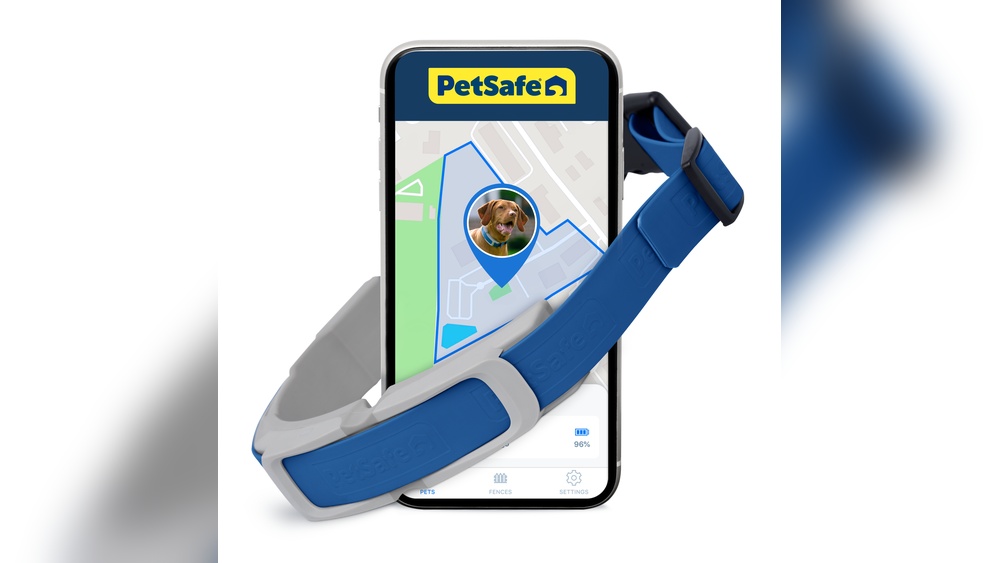
The Guardian GPS + Tracking Dog Fence Collar is a modern pet safety device. It uses GPS to create invisible boundaries for your dog, replacing traditional physical fences. The collar also offers real-time tracking, letting you know exactly where your dog is—even if they wander off.
Instead of burying wires or installing posts, you define the area using an app. If your dog leaves the safe zone, the collar sends a warning (usually vibration or sound), and can give a static correction if needed. The goal is to train your dog to stay within the limits, while you monitor them easily from your phone.
Key Features And How They Work
Understanding what the Guardian GPS Collar offers will help you decide if it fits your needs. Here are the main features:
1. Gps Boundary Setting
You set safe zones with your phone. The system uses satellites to draw a virtual fence.
2. Real-time Tracking
The collar updates your dog’s location on a map every few seconds.
3. Customizable Correction Methods
Choose from sound, vibration, or static correction. Levels can be adjusted for your dog’s size and behavior.
4. Activity Monitoring
Some models track steps, rest time, and general activity—helpful for health monitoring.
5. Waterproof Design
Most Guardian collars are waterproof, so your dog can play in the rain or swim without damaging the device.
6. Long Battery Life
Depending on use, batteries can last from a few days up to a week before needing a recharge.
How It Compares To Traditional Dog Fences
Many people wonder if a GPS fence can really replace a physical barrier. Let’s look at the differences:
| Feature | Guardian GPS Collar | Traditional Fence |
|---|---|---|
| Installation | App-based, no digging | Physical work, costly |
| Portability | Easy to move or change | Fixed location |
| Coverage Area | Flexible, large spaces | Limited by property |
| Dog Training Needed | Yes, with collar | Usually not needed |
A non-obvious insight: Many pet owners underestimate the value of portability. If you travel with your pet or move homes, a GPS fence adapts instantly, while a physical fence can’t.
Real-world Performance: User Experiences
Owners who use the Guardian GPS collar report a mix of positive and challenging experiences.
Success Stories:
- Dogs quickly learn the boundaries, especially with vibration or sound warning.
- Owners feel more relaxed letting their pets off-leash in large yards or open spaces.
- Tracking is a lifesaver for dogs who like to escape or chase wildlife.
Common Complaints:
- GPS accuracy can drop in dense forests or near tall buildings.
- There may be a delay of a few seconds in location updates.
- Initial setup and training take patience. Some dogs need extra time to adjust to the collar.
Unexpected benefit: Some users find the activity tracking helpful for spotting early signs of health changes, such as decreased movement or unusual rest patterns.

Credit: www.osons-a-stmalo.com
Pros And Cons
To decide if this collar is right for you, consider the main benefits and drawbacks:
| Pros | Cons |
|---|---|
| No wires or digging needed | May not work well in heavy tree cover |
| Works anywhere with GPS signal | Initial learning curve for pets |
| Tracks your dog’s activity | Battery needs regular charging |
| Customizable correction settings | Ongoing app subscription fees (for some models) |
What To Consider Before Buying
Choosing the right collar is more than just picking the most popular brand. Look at these factors:
- Size and breed of your dog: Large, energetic dogs may need stronger correction settings. Small or sensitive dogs might respond better to sound or vibration.
- Area of use: GPS systems need a clear view of the sky. Heavy woods or urban areas can reduce accuracy.
- Training commitment: Success depends on you teaching your dog what the new boundaries mean.
- Budget: The collar is a one-time cost, but some models require a monthly fee for GPS tracking.
A common mistake: Some buyers skip the training phase and expect instant results. Dogs need time and consistent practice to understand the new boundaries.

Credit: www.petsafe.com
How To Set Up And Train Your Dog
Setting up the Guardian GPS Collar is usually simple:
- Charge the collar fully before first use.
- Download the Guardian app and pair the collar.
- Walk the boundary you want to set, using your phone to map the safe area.
- Put the collar on your dog and let them explore, watching their reaction.
- Start with warning tones or vibration before using any static correction.
- Train in short sessions, rewarding your dog for staying inside the limits.
Tip: If your dog ignores warnings, check the fit of the collar and adjust the correction level slowly.
Price And Value
Prices for the Guardian GPS + Tracking Dog Fence Collar range from $150 to $400, depending on features. Some advanced models include health tracking and multi-dog support. Factor in the possible need for a subscription plan for live tracking.
Compared to the cost of building a new fence (which can be $1,000 or more), GPS collars offer good value for families who want flexibility and technology.
Alternatives To Guardian Gps Collars
If you’re not sure about Guardian, consider these alternatives:
- SpotOn Virtual Fence: Known for high accuracy and premium features.
- Halo Collar: Offers advanced tracking and Cesar Millan’s training program.
- PetSafe Wireless Fence: Uses radio signals instead of GPS, best for smaller yards.
Always compare based on your dog’s needs and your environment.
Frequently Asked Questions
Is The Guardian Gps Collar Safe For All Dog Breeds?
The collar is designed for most breeds, but always check the manufacturer’s weight and neck size guidelines. Very small or sensitive dogs may need extra care with correction levels.
How Accurate Is The Gps Tracking?
Under open sky, accuracy is usually within 5-10 feet. In dense forests or near tall buildings, the signal may drift. For best results, use in open areas.
Does The Collar Work Without A Monthly Subscription?
Basic boundary features often work without a fee, but live tracking and activity data may require a subscription. Check the model details before buying.
Can I Use The Collar For More Than One Dog?
Some Guardian systems allow multiple collars on the same app account. Make sure to buy extra collars if needed, and confirm compatibility.
What Happens If The Battery Dies?
If the battery runs out, the collar stops working and your dog won’t get warnings. Set reminders to recharge the collar regularly, especially if your dog is very active.
For more information on pet containment systems, visit the Invisible Fence Wikipedia page.
The Guardian GPS + Tracking Dog Fence Collar is a strong choice for tech-savvy dog owners who want safety without building a physical fence. With thoughtful setup and patient training, it offers flexibility and peace of mind—just be ready for a learning curve at the start.
If you value portability and love to travel with your pet, this collar could be the solution you’ve been searching for.

Credit: www.murdochs.com