Living with cat allergies can be frustrating, especially if you love cats or live with someone who does. Sneezing, itchy eyes, and even trouble breathing can make spending time with your furry friend uncomfortable. But the good news is, several medicines and treatments can help manage these symptoms. Choosing the best drug for cat allergies depends on your symptoms, health, and lifestyle. In this article, you’ll learn which medicines work best, how they differ, and what to consider before starting treatment.
Understanding Cat Allergies
Cat allergies happen when your immune system reacts to proteins found in cat saliva, urine, or dander (tiny flakes of skin). The most common symptoms include:
- Sneezing
- Runny or stuffy nose
- Itchy, watery eyes
- Coughing
- Wheezing or shortness of breath
For some people, being around cats can even trigger asthma attacks.
Top Drug Options For Cat Allergies
Let’s look at the main types of medicines used to treat cat allergies and how they compare.
1. Antihistamines
Antihistamines are often the first choice for mild to moderate symptoms. They block histamine, a chemical your body releases during an allergic reaction.
Common over-the-counter antihistamines:
- Cetirizine (Zyrtec)
- Loratadine (Claritin)
- Fexofenadine (Allegra)
- Diphenhydramine (Benadryl)
Newer antihistamines like cetirizine and loratadine cause less drowsiness than older ones like diphenhydramine.
2. Nasal Corticosteroids
Nasal steroid sprays reduce swelling and mucus in the nose. They are more effective for long-term allergy control.
Popular options include:
- Fluticasone (Flonase)
- Mometasone (Nasonex)
- Budesonide (Rhinocort)
Nasal steroids can take several days to work, but they help prevent symptoms if used regularly.
3. Decongestants
Decongestants shrink swollen nasal tissues and make it easier to breathe. These are best for short-term use due to possible side effects like increased blood pressure.
Examples:
- Pseudoephedrine (Sudafed) – oral
- Oxymetazoline (Afrin) – nasal spray
Never use nasal decongestant sprays for more than 3 days, as they can cause rebound congestion.
4. Leukotriene Modifiers
Leukotriene receptor antagonists block chemicals that cause allergy and asthma symptoms. The most common is:
- Montelukast (Singulair)
Doctors may suggest this if you have both allergies and asthma.
5. Allergy Shots (immunotherapy)
Allergy shots help your body build tolerance to cat allergens over time. They are ideal if medicines do not control your symptoms.
- Treatment involves regular injections for 3-5 years.
- Results last after you finish the shots.
Immunotherapy can reduce symptoms by up to 80% in some people.
6. Eye Drops
If your main issue is itchy or watery eyes, special antihistamine eye drops can help.
- Ketotifen (Zaditor)
- Olopatadine (Patanol)
These are safe for daily use and start to work within minutes.
7. Combination Medications
Some products combine antihistamines with decongestants (like loratadine-pseudoephedrine, brand name Claritin-D) for stronger relief. Be careful with combination medicines if you have high blood pressure or heart disease.

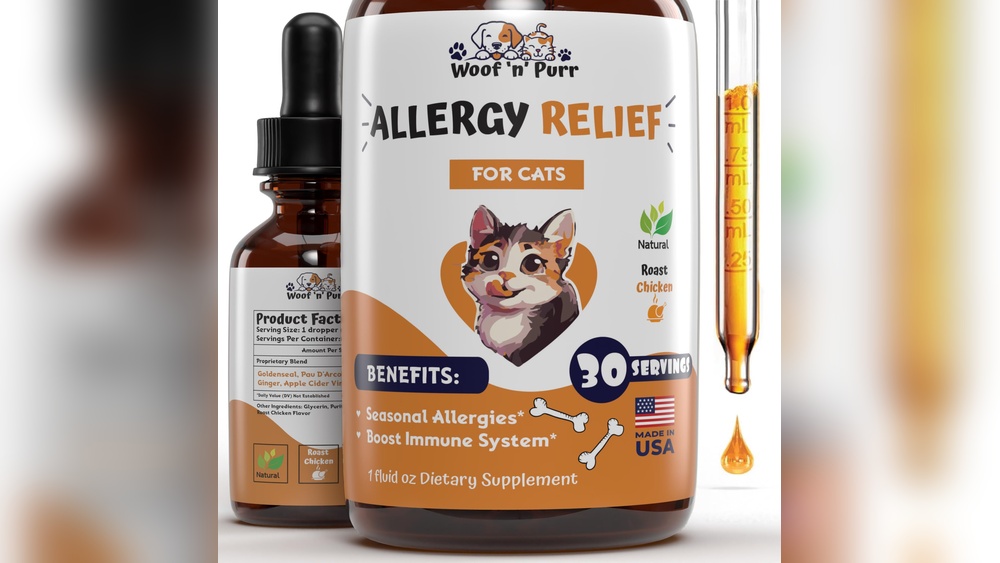
Credit: www.amazon.ae
How The Main Drugs Compare
Here’s a quick look at how the most common drug types compare for cat allergy relief:
| Type | Best For | Onset Time | Common Side Effects |
|---|---|---|---|
| Antihistamines | Mild-moderate symptoms | 30-60 minutes | Drowsiness (older drugs), dry mouth |
| Nasal Steroids | Chronic nasal symptoms | 12-24 hours | Nasal dryness, irritation |
| Decongestants | Short-term stuffy nose | 30 minutes | Increased blood pressure, insomnia |
| Leukotriene Modifiers | Asthma with allergies | Several hours | Headache, mood changes |
| Immunotherapy | Severe, long-term allergies | Months | Injection site reaction |
What To Consider Before Choosing A Drug
Not every medicine works for everyone. Here are important factors to think about:
- Symptom type: Some drugs help more with nose symptoms, others with eyes or lungs.
- Age: Some medicines are not safe for young children or the elderly.
- Other health issues: Heart disease, glaucoma, or high blood pressure can affect your choices.
- Lifestyle: If you need to stay alert for work or driving, choose non-drowsy options.
One insight many people miss: regular cleaning of your home, using HEPA filters, and washing hands after touching cats can reduce your need for medicine. Also, starting treatment before allergy season gives better results.
Prescription Vs. Over-the-counter Drugs
Many allergy drugs are available without a prescription, but some require a doctor’s approval.
| Drug Type | Over-the-Counter | Prescription Only |
|---|---|---|
| Antihistamines | Cetirizine, Loratadine, Fexofenadine | Desloratadine (Clarinex) |
| Nasal Steroids | Fluticasone, Budesonide | Mometasone |
| Leukotriene Modifiers | None | Montelukast |
| Immunotherapy | None | Allergy shots |
Some prescription medicines may work better for severe allergies or if you have other medical conditions.
Tips For Better Cat Allergy Control
- Limit exposure to cats when possible.
- Keep cats out of bedrooms and use HEPA air purifiers.
- Wash hands and clothes after touching cats.
- Vacuum regularly with a HEPA filter.
- Start medicines early if you know you’ll be around cats.
Many people overlook the role of environmental changes. Medicines work best when combined with these steps.
Credit: www.singlecare.com
When To See A Doctor
If over-the-counter drugs do not help, or if you have asthma symptoms like wheezing or chest tightness, see an allergy specialist. They can test your allergies and may suggest allergy shots or stronger medicines.
For more on allergy treatments, check the American Academy of Allergy, Asthma & Immunology.
Frequently Asked Questions
What Is The Best Drug For Cat Allergies?
The best drug depends on your symptoms. For most people, antihistamines like cetirizine or loratadine work well for mild symptoms. For ongoing nasal issues, nasal steroids are more effective. If medicines do not help, ask your doctor about allergy shots.
Can I Get Rid Of My Cat Allergy Permanently?
There is no permanent cure, but allergy shots (immunotherapy) can greatly reduce symptoms for many people. Environmental changes also help a lot.
Are Natural Remedies Effective For Cat Allergies?
Some people try saline nasal rinses or herbal supplements, but these are not as effective as medicines. Always talk to your doctor before starting any new remedy.
Can Children Take Allergy Medicines?
Many antihistamines and nasal sprays are safe for children, but always check the age limits and ask your pediatrician first.
How Quickly Do Allergy Drugs Start Working?
Antihistamines and decongestants usually start working within 30-60 minutes. Nasal steroids may take several days to show full effects.
Managing cat allergies takes patience and the right approach. With the right medicine and lifestyle changes, you can enjoy life with your cat and breathe easier every day.

Credit: www.treehugger.com