In case your cat has been diagnosed with hypothyroidism, you may be confused or worried of what is to follow. You desire the best treatment to your furry friend, however, where do you begin?
Having knowledge of what poses the correct form of treatment will be a big step to the health and happiness of your cat. You will find out easy, efficient methods of dealing with hypothyroid in cats. At the end, you will be sure about how to make your cat live a healthier and more comfortable life.
Keep reading to learn everything you need to know about hypothyroid treatment for cats.
Causes Of Hypothyroidism In Cats
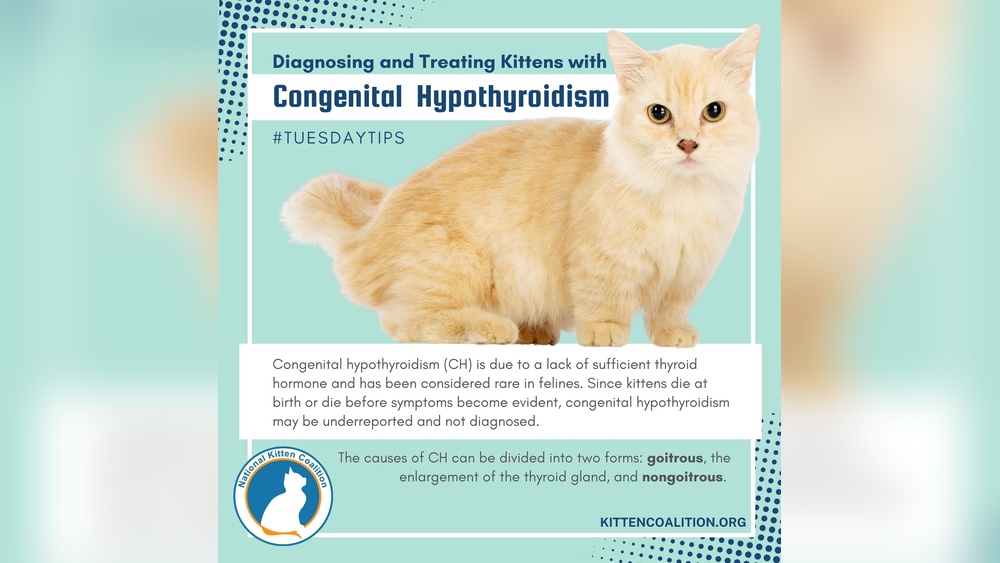
It is important to understand the causes of hypothyroidism in cats so as to identify the symptoms at an early stage and get the appropriate treatment. It is a disorder occurring when the thyroid gland fails to produce the required amount of hormones, which influences the energy and weight of your cat and its well-being.
This hormone deficiency is caused by different reasons, and understanding the difference can enable you to collaborate with your vet in order to have the most effective care plan.
Primary Vs Secondary Hypothyroidism
Primary hypothyroidism develops within the thyroid gland. This implies that the gland is unhealthy or not working well, hence it cannot secrete sufficient amount of thyroid.
Secondary hypothyroidism occurs due to dysfunction of pituitary gland or hypothalamus. The thyroid gland is governed by these areas of the brain through signal transmission and failure of which the thyroid receives no orders to make hormones.
Which one of them would be easier to identify by its symptoms? In most cases, primary hypothyroidism is more evident since the gland itself is the issue.
Common Risk Factors
- Age: Cats of older age tend to develop hypothyroidism although it occurs at any age.
- Autoimmune Disease: The immune system sometimes attacks the thyroid gland leading to inflammation and destruction.
- Thyroid Surgery or Medication: Cats that have undergone thyroid surgery or those that have been treated with hyperthyroidism may end up developing hypothyroidism in the future.
- Breed Predisposition: Predispositions are breed-specific, although all cats can get it.
Has the behavior of your cat changed or their energy? It may not be necessarily slowing down but perhaps it is connected to these risk factors.
Symptoms To Watch For
It is significant to identify symptoms of hypothyroid in cats to be treated early. Cats can present some unobtrusive signs which are usually overlooked by the owner. Watching your cat will assist in monitoring health or behavior changes. These are the symptoms that should be looked out.
Behavioral Changes
Your cat may get less active or feel more exhausted. They can conceal or evade normal playing. Other cats appear to be grumpy or not keen on attention. Sleeping patterns such as sleeping more also change. These alterations are indicative of the possibility of poor thyroid functionality.
Physical Signs
Find increased weight without having to eat more. On the fur of your cat, a dull or dry coat may be seen. The loss of hair can occur either in patches or everywhere. Thyroid changes may manifest themselves as swelling around the neck. These physical symptoms indicate a thyroid disease.
Impact On Metabolism
Hypothyroid decelerates the metabolism in the body. Your cat can experience coldness and want to be in warm areas. It may slow down digestion leading to constipation or loss of appetite. The rate of the heart may go down, causing weakness or fainting. These modifications impact on your cat health and vitality.
Diagnostic Methods
Hypothyroidism in cats should be diagnosed through rigorous testing and evaluation. Vets reach the condition by the number of means. The early diagnosis assists in initiating the treatment promptly and enhances the health of the cat.
Blood Tests
The primary instrument to monitor thyroid functioning is blood tests. They determine the level of thyroid hormones in the blood of the cat. The low quantities of thyroid hormones normally point to hypothyroidism. Other ailments that may interfere with diagnosis are also checked through blood tests.
Imaging Techniques
The imaging assists in visualizing thyroid gland size and shape. Most commonly used in the examination of the thyroid in cats is ultrasound. It demonstrates whether the gland is damaged or small. The X-rays may be used to investigate the problems associated with the chest.
Differential Diagnosis
Hypothyroidism can be simulated by other diseases. Vets eliminate such conditions as kidney disease or diabetes. Thoughtful testing draws the line between hypothyroidism and related diseases. This will make sure that the cat receives the appropriate treatment.

Credit: www.charlotte.carolinavet.com
Medication Options
The primary mode of treatment of hypothyroidism in cats is medication. It assists in supplementing the lack of thyroid hormones. This is to keep your cat healthy and active. I can be more effective in taking care of your pet by understanding the options of medications.
Levothyroxine Therapy
The most used medication in hypothyroid cats is Levothyroxine. It is a synthetic hormone like natural thyroid hormone. This medication normalises the levels of hormones in the body. It assists in energy, weight and coat improvement.
Dosage And Administration
The veterinarian will determine the appropriate amount of dose depending on the weight and health of your cat. In most cases levothyroxine is administered twice daily. Administer the pill with or without food according to the recommendation of the vet. Regularity in time is beneficial to maintain the level of hormones.
Monitoring Treatment Effectiveness
It is necessary to check whether the treatment is effective regularly. The vet can check the blood hormone levels of your cat. Keep an eye on such indications as the height of the energy and appetite improvement. Changes in dosage can be required to establish the optimum balance.
Diet And Lifestyle Adjustments
Hypothyroid symptoms can be controlled through changing the diet and lifestyle of your cat. Food and activity should be carefully observed in order to maintain the well-being of the thyroid. Even minor adjustments can have a significant impact in the life of your cat.
Nutritional Support
Select a healthy diet that is well-balanced. Foods that contain enough iodine are helpful in supporting the thyroid. Protein helps in keeping the muscles and energy healthy. Avoid foodstuffs that contain artificial additives or fillers. Your vet can advise you on special diets of the hypothyroid cats.
Exercise Recommendations
Stimulate light play to increase metabolism and mood. Regular and short playing sessions will keep your cat active without stress. Play with toys which incite movement and interest. Excessive exercise should be avoided, particularly to the elderly or weak cats. Exercise promotes a normal weight and hormone balance.
Managing Weight
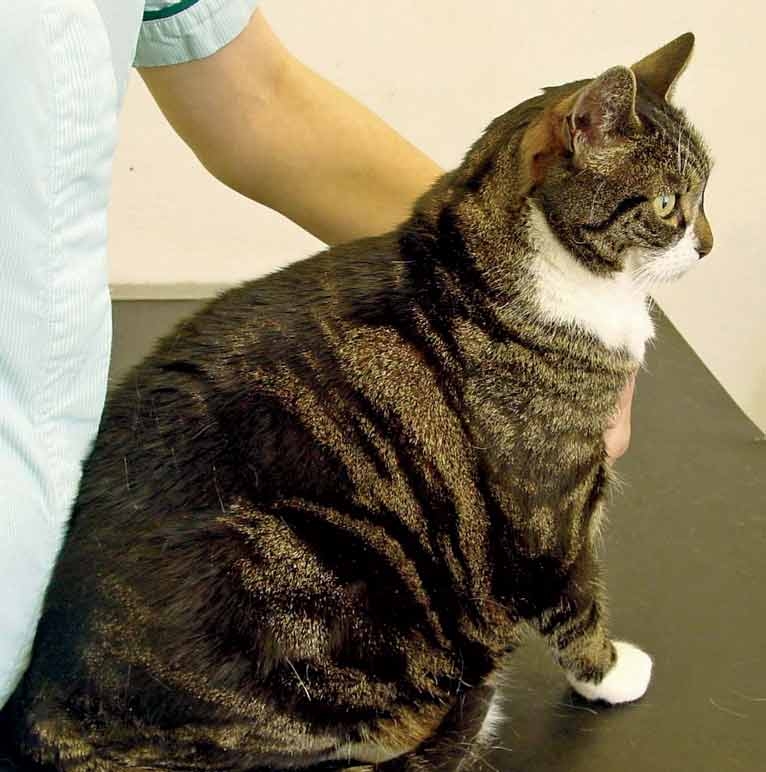
Hypothyroid cats can easily gain weight. Keep a watch on the weight of your cat so that you can notice any changes at an early stage. Measured portions of food to avoid gluttony. Eat regularly to aid in the process of metabolism. Weight management will ease the load on the organs and will make life better.
Credit: www.vettimes.com
Managing Side Effects And Complications
A major aspect of treatment of hypothyroid in cats is the management of side effects and complications. The treatments will give various responses to your pet. Being careful will make your cat comfortable and safe. Monitor your cat and learn about potential problems.
Common Side Effects
The cats might experience some side effects upon the initiation of treatment. They may include vomiting and diarrhea. Certain cats will appear to be restless or nervous. Alterations in appetite or loss of weight may happen. These effects normally manifest themselves immediately after treatment. Side effects are mild and cease with time. Make a daily record of the changes which you observe in your cat.
When To Contact A Vet
Get in touch with your vet in case showed severe symptoms by your cat. Breathing problems or edema require immediate attention. Stop eating and drinking over a day. Dehydration can be brought about by persistent vomiting or diarrhea. Rapid changes in behavior, such as aggression or hiding, should be signs of danger. Medication can be changed or some tests recommended by your vet. Wait no longer in case of worsening of symptoms and prolonged ones.
Long-term Care And Follow-up
Treatment of cats with hypothyroidism is a life long process. The first diagnosis is not the end of the treatment. Long-term care is good and makes your cat comfortable. Follow-up visits should be used periodically to check the progress and implement changes in the treatment.
Regular Check-ups
Book veterinary appointments after every few months. Such visits assist in monitoring the thyroid level of your cat. They also identify any side effects of medication at an early stage. Regular check-ups would see that your cat is on the correct dose. Every time, your cat will be checked by your vet, in terms of his weight, energy and his general condition.
Adjusting Treatment Over Time
The requirements of thyroid drugs may vary depending on the age of your cat. Depending on test results dosage may have to increase or decrease. Depending on symptoms or laboratory results, your vet might alter medication. There are those that require life long care and those that improve to such an extent that the medication is minimized. Be patient and collaborate with your vet to achieve the best.
Alternative And Complementary Therapies
Complementary and alternative treatment may be used to manage cats with hypothyroid. These can contribute to enhancing the overall well-being and relieving the symptoms. They do not replace traditional treatment, but they work in cooperation with the latter. Never initiate any new cat therapy without consulting a vet.
Herbal Remedies
Natural remedies could be used to restore equilibrium in the thyroid. There are herbs that facilitate metabolism and energy of cats. Some of the common herbs are ashwagandha, guggul and bladderwrack. These herbs are able to decrease inflammation and encourage normal thyroid functioning. Apply herbal medications cautiously and with physician advice. Cats cannot use all herbs and therefore it is important to seek professional advice.
Acupuncture And Physical Therapy
Acupuncture would stimulate the main points to enhance the thyroid. It can decrease such symptoms as fatigue and low metabolism. Physical therapy assists in keeping the body muscles strong and active. Light massage and stretching will be effective in removing stiffness among hypothyroid cats. Such treatments increase comfort and recovery. Frequent sessions can increase the energy and mood of your cat.
Credit: vetster.com
Frequently Asked Questions
What Are The Common Symptoms Of Hypothyroid In Cats?
Cats with hypothyroidism develop weight gain, lethargy, and loss of hair. They also may experience an irregular heart rate and dry skin.
How Is Hypothyroid Diagnosed In Cats?
A veteran will also take blood tests to test the level of thyroid hormones. The diagnosis can be confirmed with the help of physical exams and medical history.
What Treatments Are Available For Hypothyroid In Cats?
Therapy normally includes the use of thyroid hormone replacement pills on a daily basis. To make proper adjustments of dose, regular visits to the veterinary clinic are required.
Can Hypothyroid Cats Live A Normal Life?
Cats could be treated well and live healthy lives, yes. Early diagnosis and frequent medication can manage the symptoms effectively.
Are There Any Side Effects Of Hypothyroid Treatment In Cats?
There are only rare side effects which include restlessness or hunger. Treatment of majority of cats proceeds without difficulties.
Conclusion
The management of hypothyroid among cats enables them to live better lives. The condition is managed through frequent vet visits. Medicine and good care make your cat lively and happy. Monitor the progress and take the necessary steps to help your pet. This is due to early treatment which averts dire health issues in the future.
Be tolerant and adherent to treatment plan. Your cat is relying upon you to get a better life. Continue to study and nurture. It makes all the difference.